
SEO, AEO and GEO are three ways of getting found, and they share one foundation: clear, useful pages that search engines can crawl. SEO (search engine optimization) earns rankings and clicks in Google's results. AEO (answer engine optimization) shapes a page so a direct answer can be lifted into a featured snippet or an AI answer. GEO (generative engine optimization) works to get your brand named and cited when ChatGPT, Gemini, Claude or Google's AI Overviews write an answer.
The three differ in what counts as a win and where it shows up. The work underneath overlaps a lot.
Search engine optimization is the work of helping search engines find, understand and rank your pages: a site they can crawl, pages that match what people search for, helpful content, and links between related pages. The win is a ranking that sends visitors to your site.
Answer engine optimization shapes a page so a search engine or an assistant can take a direct answer from it. In practice that means a question as a heading, a 40 to 60 word answer right under it, then the detail. Google chooses featured snippets automatically from the text on a page, and no markup requests one, so a clear answer in the visible text is what gives it something to show.
Generative engine optimization is about the answers AI tools write. The term comes from a 2023 research paper, GEO: Generative Engine Optimization, which studied how content choices change a source's visibility in AI-generated answers. The goal is for your brand to be mentioned, cited as a source or recommended when someone asks an AI tool a question your product answers. Because these tools draw on many sources at once, what other sites say about you matters as much as your own pages.
The difference is the unit of success. SEO wins a click from a list of links. GEO wins a mention inside an answer, often with no click at all.
The two overlap more than the hype suggests. Google says the same SEO best practices apply to AI Overviews and AI Mode, and that there are no additional requirements to appear in them: the page must be indexed and eligible to show with a snippet. For Google's AI features, good SEO is the entry ticket.
GEO goes further in one way. AI answers combine several sources, so they reward pages that state facts plainly, back them with evidence, and agree with what reviews, comparison pages and communities say about you. A page can rank and still be left out of an answer if its facts are vague or contradict other sources.
AEO is mostly a change in page shape on top of SEO. An SEO page earns its ranking with depth; an AEO block earns extraction with clarity. A good page does both: a direct answer near the top, then the full guide below it.
One thing changed for AEO: Google limited FAQ rich results to well-known government and health sites in 2023, then stopped showing them in Google Search in May 2026. FAQ markup is fine to keep, but the answer has to work as plain text on the page.
AEO is about one answer being lifted from one page. GEO is about your brand showing up across many generated answers, which depends on your whole footprint: your pages, your product facts and what others publish about you. Clear answer blocks help both.
A small team does not need three programs. One weekly loop covers SEO, AEO and GEO.
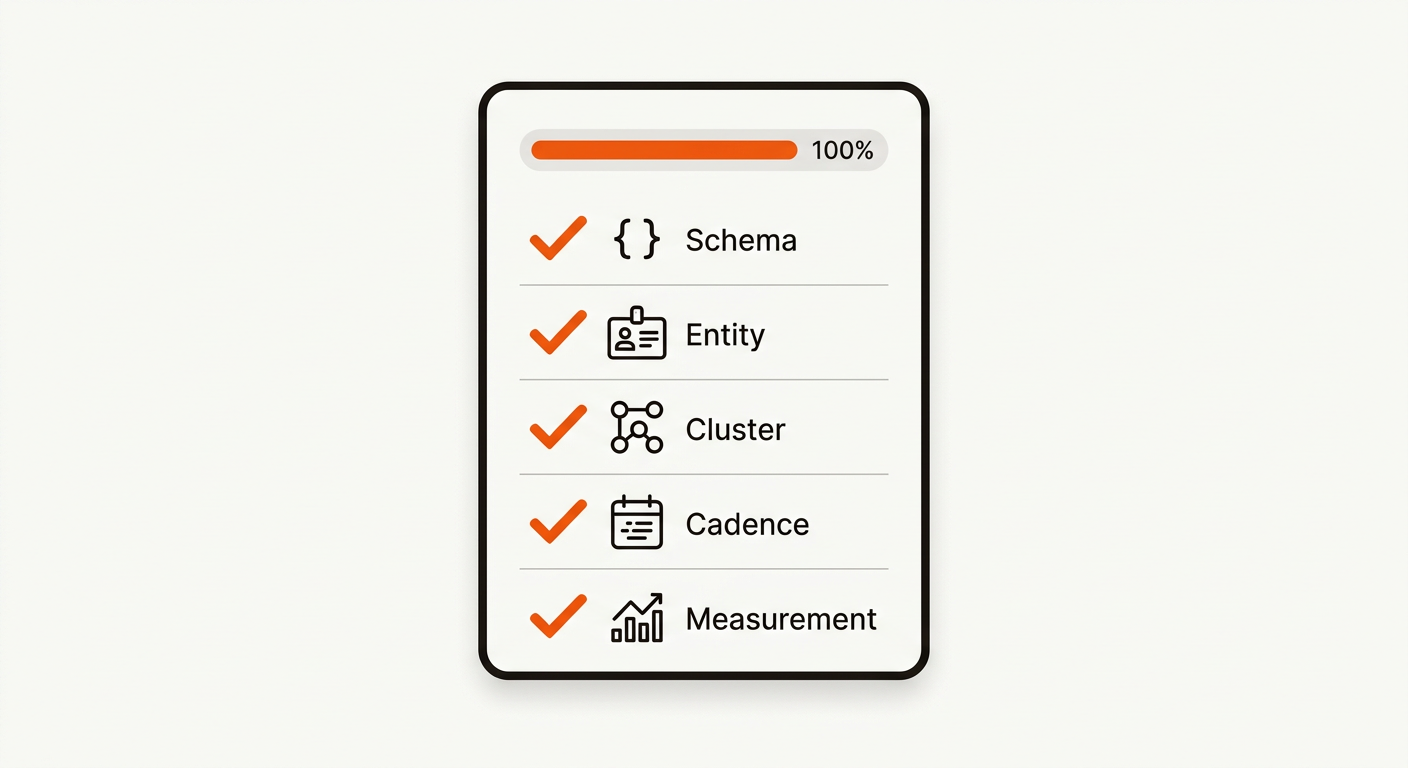
Tie all three to one outcome you can see, such as sign-ups or demo requests from the pages involved.
Mergeflo runs this loop for small teams. It finds search gaps and buyer questions, drafts briefs and articles SEO or AEO style in your brand voice, adds FAQ schema when an article is published, and publishes to Webflow when you press Publish. It tracks your Google clicks and positions, and on paid plans a weekly scan asks ChatGPT, Gemini and Claude your buyer questions and records whether your brand is mentioned, cited or recommended. It does not track Perplexity or Google AI Overviews.
No. For Google's AI Overviews and AI Mode, Google says the same SEO best practices apply and there are no extra requirements to appear. GEO adds work on top of SEO: plain facts, evidence and mentions on other sites. Keep doing SEO.
They overlap. AEO shapes a page so one answer can be lifted from it. GEO is about your brand appearing across AI-written answers, which also depends on what other sites say about you.
No. One page can serve all three: a direct answer near the top for AEO, full depth below it for SEO, and plain, consistent facts with sources for GEO.
Structured data helps machines read a page, but Google says no special markup is needed for its AI features. Google stopped showing FAQ rich results in May 2026. Write the answer clearly in the visible text first.
Pick a fixed list of buyer questions, ask them in each AI tool on a schedule, and record whether your brand is mentioned, cited or recommended. Answers vary from one run to the next, so track the trend over several weeks.
There is no fixed timeline. Search engines and AI tools do not promise when, or whether, a page will be shown or cited. Search Console impressions usually move before clicks, so watch them every week.
