
Short answer: Yes. You can rank without backlinks by targeting low-competition intent, matching SERP format exactly, shipping complete on-page coverage with entities and schema, clustering tightly related pages to pass internal PageRank, and keeping pages fast and fresh. This wins long-tail and some mid-tail; head terms still need authority.
Backlinks cover sins; without them, every intent and on-page miss becomes a ranking tax.
Most teams chase head terms, publish generic explainers, and ignore SERP format. Thin entity coverage, weak internal links, and slow templates bury pages beyond page 2. If you want to rank without backlinks, precision beats volume.
Ahrefs found that 96.55% of the pages in its index get no traffic from Google, and lists missing backlinks, low search demand and mismatched intent among the reasons. Source: Ahrefs search traffic study.
A small growth team cannot buy authority. It can, however, match the SERP pattern, cover entities completely, and route internal links from tightly related posts. This system compounds; random posts do not.
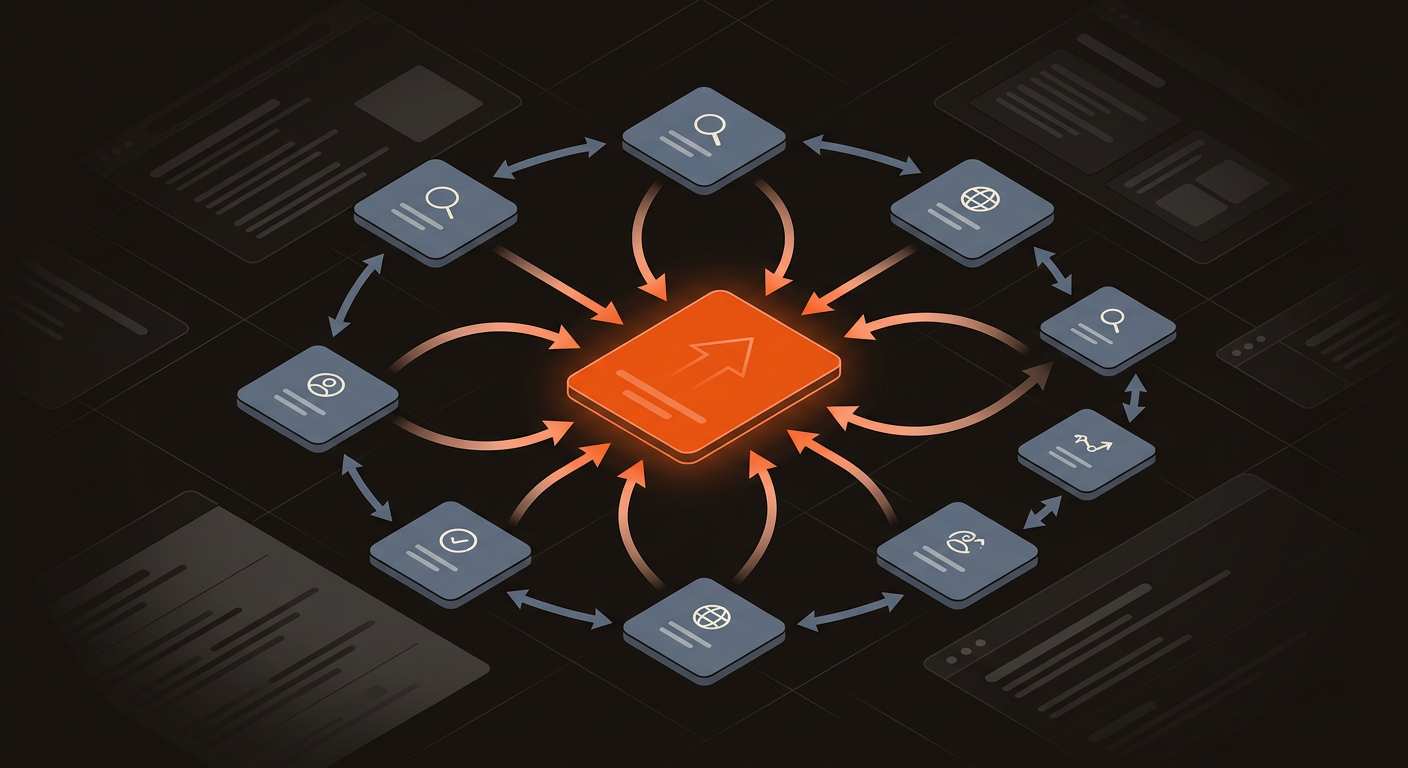
Replace external authority with exact intent match, internal PageRank, and machine-readable completeness.
Start with SERP-first targeting. If the top results are checklists and FAQs, do that format. Cover entities the winners mention, add FAQ and HowTo schema where eligible, and keep CWV green on Lighthouse. Then cluster: publish sibling URLs, and point contextual links from them into the target page.
Prioritize what Google can crawl and understand. Fast pages get recrawled more; structured data clarifies meaning; internal links concentrate relevance. This is how to rank without backlinks on long-tail and test mid-tail once you see impressions move in GSC by query family.
Comparison of Linkless Ranking Tactics
Operational tradeoff: this approach stalls if your CMS is slow or bloated. Heavy JS, image bloat, and no-cache CDNs delay recrawl, so updates can take months to be picked up. Fix templates before you scale.

Start by saturating subtopics, not just keywords. Build a hub that answers the core query in 600 to 900 words with a table of contents and jump links, then ship spokes that target variants and tasks. Each spoke links to the hub and 3 to 5 siblings with descriptive anchors. Tighten technicals: LCP under 2.5 seconds, CLS under 0.1, images under 120 KB in WebP, and add FAQ or HowTo schema where it fits. Test title and H1 variants weekly to improve CTR. At day 30, use GSC deltas to add missing entities and answers.
You need a system that standardizes research, briefs, schema, internal links, and refresh across every page.
AI search visibility platform for startups. It tracks Google search and, on paid plans, AI answers from ChatGPT, Gemini and Claude. Tracks Google positions and AI mentions; a free plan is available.
Autonomous SEO + AEO content engine: it finds gaps, drafts articles with FAQ schema and suggested internal links, and publishes the ones you approve to Webflow. Here is how teams move fast: pick winnable seeds using How To Find Profitable Keywords With Low Competition, generate briefs that mirror winning SERP formats, publish with baked-in schema, then route 3-8 internal links from related pages. Refresh when impressions stall.

Run a two week loop so work compounds. Day 1 mine inputs in GSC for 28 days, exclude brand, pull queries with 20 to 500 impressions and positions 6 to 20; add site search and support logs. Day 2 cluster into 5 to 8 topics and draft briefs with PAA targets, entities, and internal link targets. Days 3 to 6 draft and edit, ship on day 7 with title under 58 characters, meta 140 to 160, 3 to 8 internal links out, and FAQ or HowTo schema. Day 14 review CTR and queries; day 42 expand, retitle, or merge.
You can test them for research, but wins are rare without authority. Build topical depth first across long-tail pages, consolidate internal PageRank, then probe mid-tail variants. Track movement in GSC for query families before committing more URLs.
Plan 3-8 contextual links from relevant pages, mixing exact, partial, and entity-rich anchors. Ensure links are high in the body, not only in nav or footers. Avoid repeating the same anchor text; diversity reduces over-optimization risk and helps cover entities.
For easy intents on fast sites, 2-8 weeks after first crawl is common. Indexation speed, template quality, and internal links matter more than publish volume. Watch GSC Coverage and server logs to confirm crawl, then tune titles and H1s based on early impressions.
Yes. Clear Q/A blocks, concise definitions, and schema increase citation odds even on low-DR sites. Use entity names, numbers, and steps the model can lift verbatim. If you start seeing citations, mirror that structure across sibling pages to compound visibility.
