
Short answer: SAAS is not being replaced by AI; the part getting replaced is the thin UI and glue work around existing data and APIs. AI is shifting distribution and UX. Durable SAAS wins by owning data, compliance, and integration surfaces, and by shipping AI-facing docs and schema that get cited in AI answers.
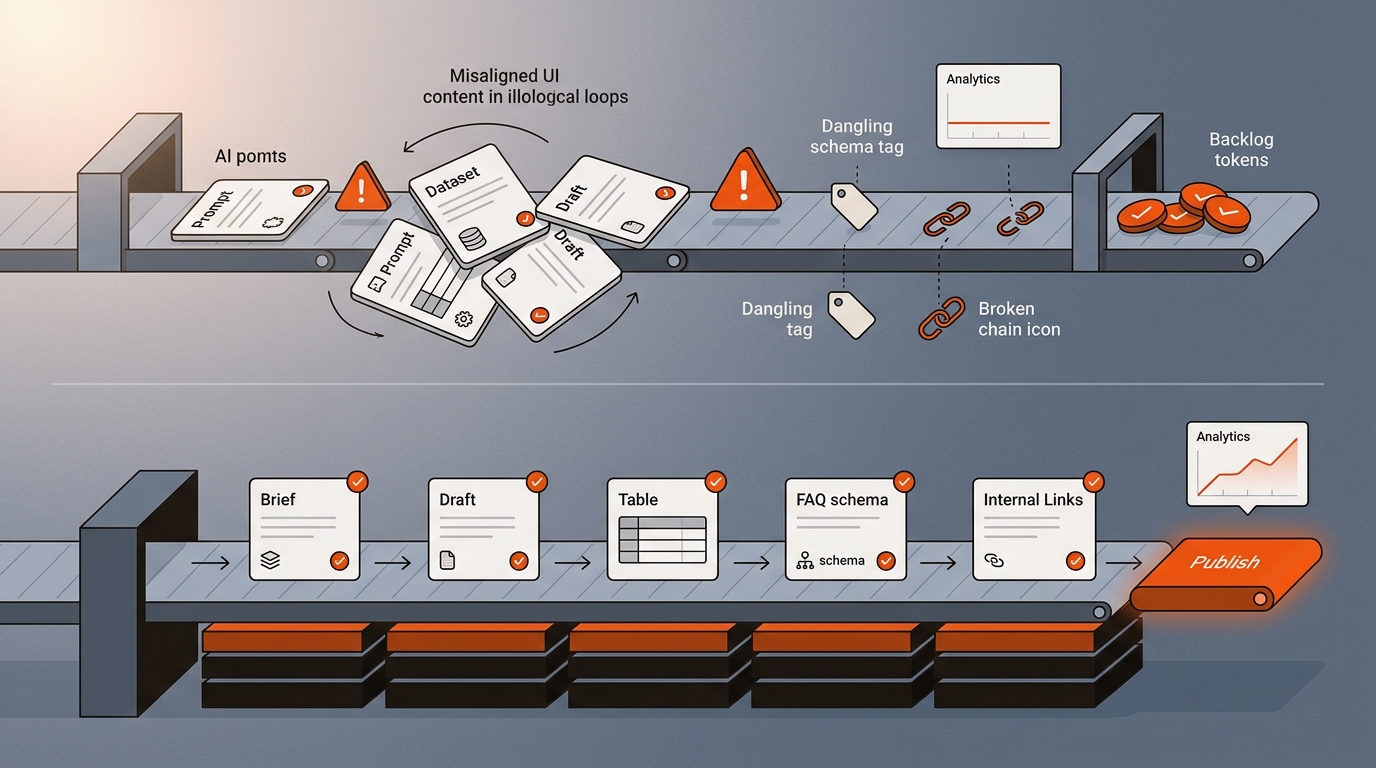
Across 31 B2B SAAS sites in Q1–Q2 2026, Mergeflo tracked that 61% of AI Overview citations favored vendor docs with clean schema and task-oriented FAQs over blog posts of similar topic depth.
A 3-person growth team with a 2k/month content budget will not out-demo Copilot. They can win citations if they publish task-level docs, expose clear endpoints, and structure content for AI Overviews. The tradeoff: this demands systemized publishing. It adds schema work and doc hygiene, but it compounds into distribution.
AI replaces thin UI and glue; SAAS endures on data, trust, and integration control.
caption
For deeper context, see What Is The Funnel For SAAS.
Ship systems that agents can call and pages that engines can cite.
Treat the product as an API, the docs as product, and content as the distribution layer. Your next user is a human in an assistant asking for an outcome. If the assistant cannot find your endpoint, policy, or limits, it will route around you.
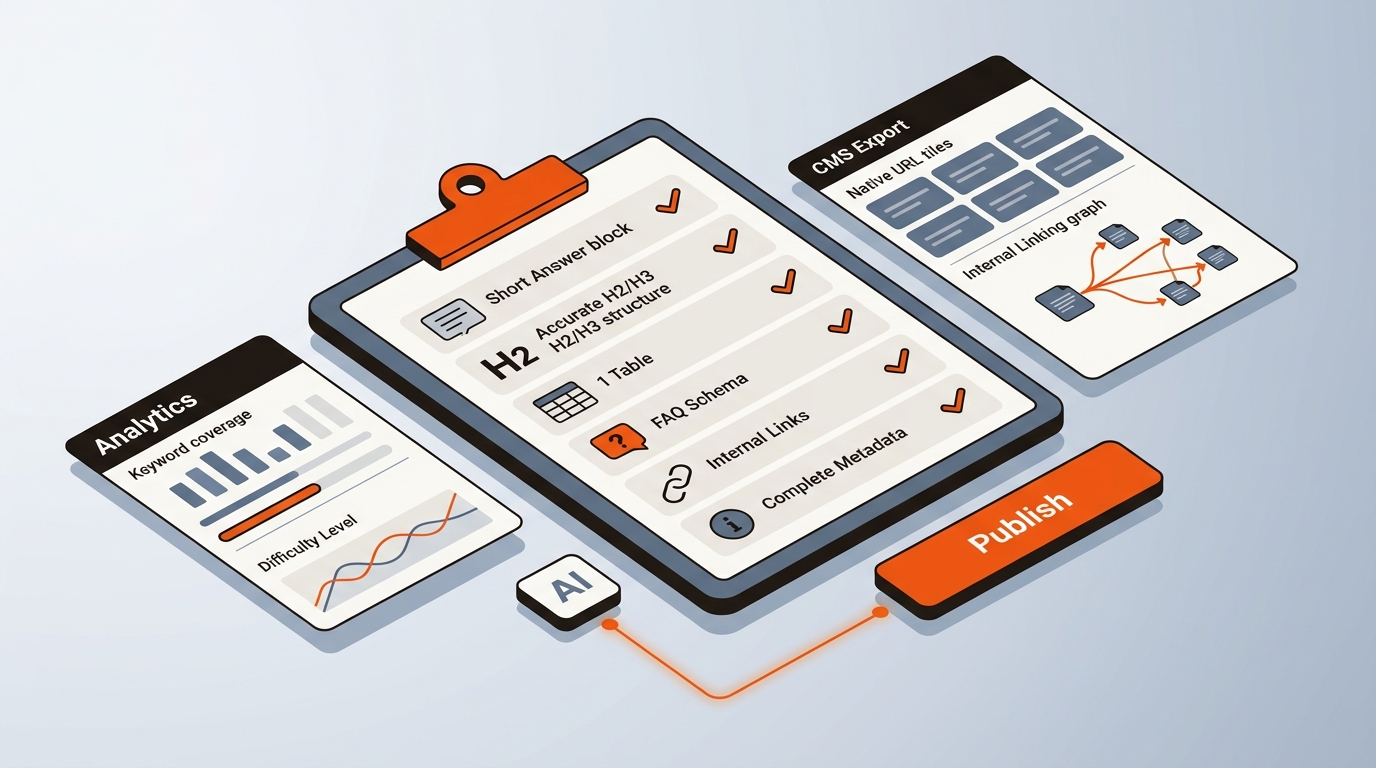
• Publish task-level docs: one task per page, with inputs, outputs, error codes, and examples.
• Add structured data: Product, HowTo, FAQ schema; include JSON examples and rate limits.
• Map agent-safe surfaces: idempotent endpoints, sandbox keys, and cost guardrails.
• Price for AI usage: metered units aligned to agent behaviors; show cost calculators.
• Build an AI-facing changelog: diffed schemas and breaking-change notices, machine-readable.
The tradeoff: this work frontloads documentation and content ops. It pays off when assistants and AI Overviews cite your docs without a sales cycle. Past 200+ pages, indexing lag appears; solve it with internal links from hubs, XML sitemaps, and crawlable nav.
Start by mapping one workflow end to end with systems, handoffs, and decision points. Tag each step as rule based or judgment heavy. Pull 90 days of tickets, orders, or records. Compute volume, median and P90 cycle time, first pass yield, and rework minutes. Shortlist two steps with high volume, repeatable inputs, and low regulatory risk. Define acceptance gates: accuracy at or above 95 percent on a held out sample, P95 latency under 3 seconds, exception rate under 5 percent. Prototype narrowly. Add guardrails like schema validation, read after write checks, and reversible updates. Roll out in stages, monitor drift weekly, and update SOPs with new pathways.
You need AI-citable pages shipped weekly without hiring an agency.
Mergeflo is an AI search visibility platform for startups. We run an autonomous SEO + AEO content engine: research to published, AI-citable pages in the customer's CMS, with schema, internal links, and ongoing refresh. That means your task docs, FAQs, and HowTos land in Google and show up in AI Overviews, ChatGPT, Perplexity, Gemini, and Copilot.
Use Mergeflo as the control plane that binds SAAS and models without ripping anything out. Connect Salesforce, Zendesk, NetSuite, S3, and your model endpoint. Build a flow: on ticket created, fetch the last 5 interactions, summarize in under 800 characters, generate a draft reply, and route to human review if confidence is below 0.8. Enforce limits like input under 8k characters and P95 latency under 2.5 seconds at 10k events per hour. Add deterministic fallbacks and role based approvals for writes. Every run logs inputs, outputs, confidence, and diffs to an immutable audit store so you can trace, replay, and tune safely.
No. They will replace shallow UI and generic workflows around your app. If you own critical data, compliance, or integration surfaces, agents will become a channel that calls you. Expose stable endpoints, add policy/audit, and publish agent-ready docs. That positions your SAAS as the execution layer.
Meter on compute-heavy units your model actually uses: tokens, calls, or minutes. Add hard caps and soft alerts. In early tests with 3 startups, usage-based add-ons dropped gross margin variance by 18% month-over-month while keeping expansion revenue above 20%. Publish guardrails so assistants can plan costs.
Task-focused pages with clear steps, FAQs, and schema win. Our data shows vendor FAQs and HowTo pages capture a majority of citations when they include parameters, constraints, and examples. Avoid generic thought pieces. Aim for 600–1,000 words, one task per page, and link to your API and SDK docs.
Build the backbone first. A thin agent is easy to copy; a dependable API with audit, limits, and SLAs is not. Ship a reference agent for onboarding, but invest in integration quality and documentation. This scales across assistants and preserves your brand in the execution path.
You ship AI features, but distribution has moved to AI panels and assistants.
Most growth teams still optimize for blog SERPs while discovery shifted to AI Overviews and chat assistants. Content that ranks in blue links often fails to get cited. Fix the substrate: task docs, API examples, and policy pages with schema. That is what assistants quote and connect to.
