
Short answer: Startup SEO impressions stay flat after you start publishing because Google can’t or won’t surface the new URLs: indexing gaps, cannibalized pages, wrong canonicals, weak internal links, and misaligned titles/entities suppress discovery. Algorithm volatility and GSC anomalies often obscure progress. Publishing more pages without fixing discoverability compounds zero-impression debt.
Most flat lines are discoverability debt.
New URLs often sit unindexed due to blocked paths, stray noindex tags, missing or stale sitemaps, and weak internal links. Even when indexed, duplicate templates and incorrect canonical tags consolidate signals to the wrong page, muting impressions. Poorly aligned titles that miss search intent or entities shrink query match breadth.
Validate your data before reacting. GSC reporting anomalies happen, so annotate major updates and inspect individual URLs. Impressions can dip while clicks rise as targeting tightens; use GSC’s queries and pages reports to confirm. Check index status and duplication via GSC Coverage and URL Inspection, then backstop with server logs or crawl stats to confirm crawl frequency and depth.
A small growth team hits a tradeoff fast: scaling up publishing without a crawl-aware internal link graph and clean canonicals stalls discovery. Slow the cadence until new pages are consistently crawled, indexed, and not cannibalizing existing assets. That’s how you move startup SEO impressions reliably.
See Google’s guidance on Index Coverage and Brodie Clark’s note on GSC false impression spikes for context. Both help you separate signal from noise when diagnosing flat lines.
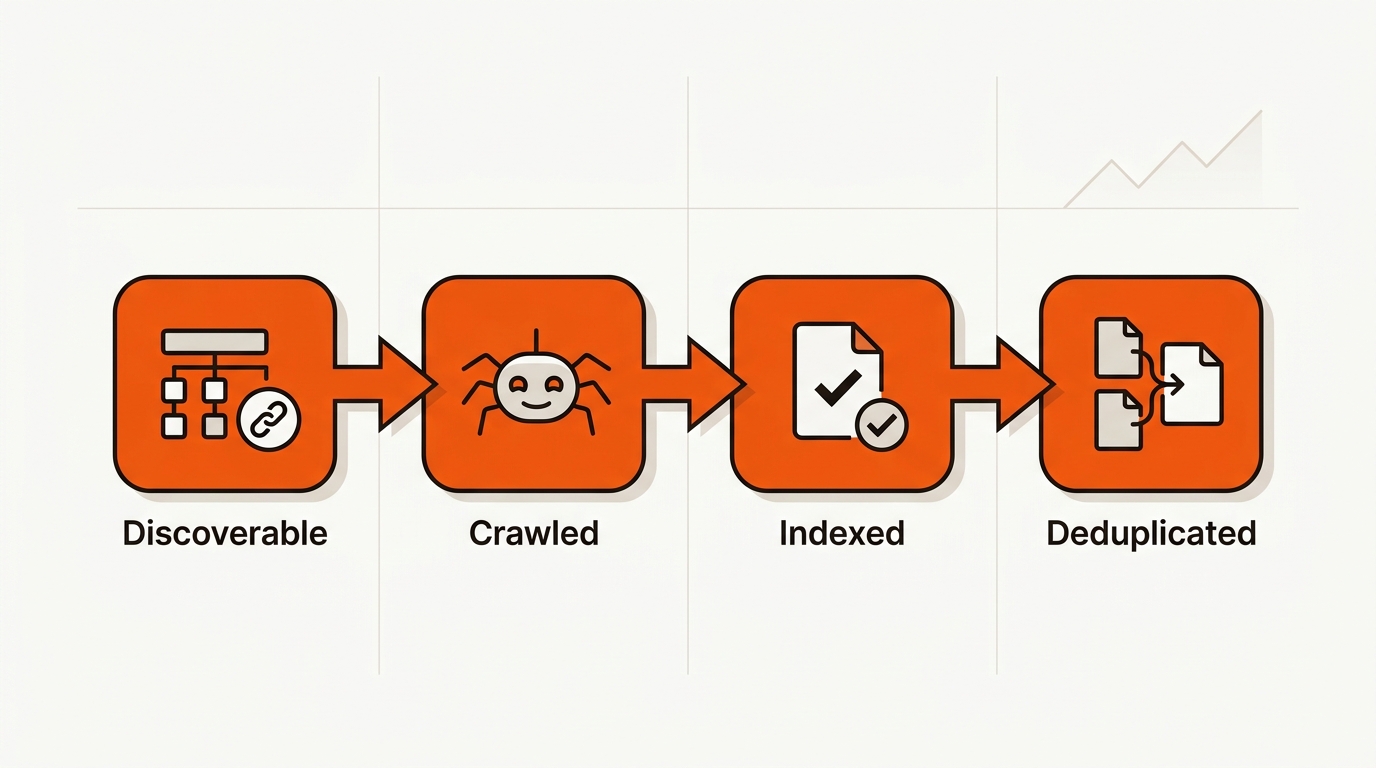
If impressions are flat, the fix usually lives in the fundamentals covered in SEO for startups. Pair the diagnosis below with the broader startup SEO playbook.
Move indexation and duplication blockers first; optimizations come second.
Triage in this order: unblock crawl and fix canonicals, resolve cannibalization, strengthen internal links, then retitle for intent and entities. Avoid adding new pages until crawl and consolidation are stable across the latest batch. This sequence shifts startup SEO impressions faster than broad content pushes.
Impact vs. Effort Fixes To Unstick Startup SEO Impressions
Operational tradeoff: daily publishing can help brand momentum but overruns crawl budget on new/low-DR domains. Route internal links from hubs and recency pages, fix canonicals, and retitle with live-SERP intent terms before scaling volume.
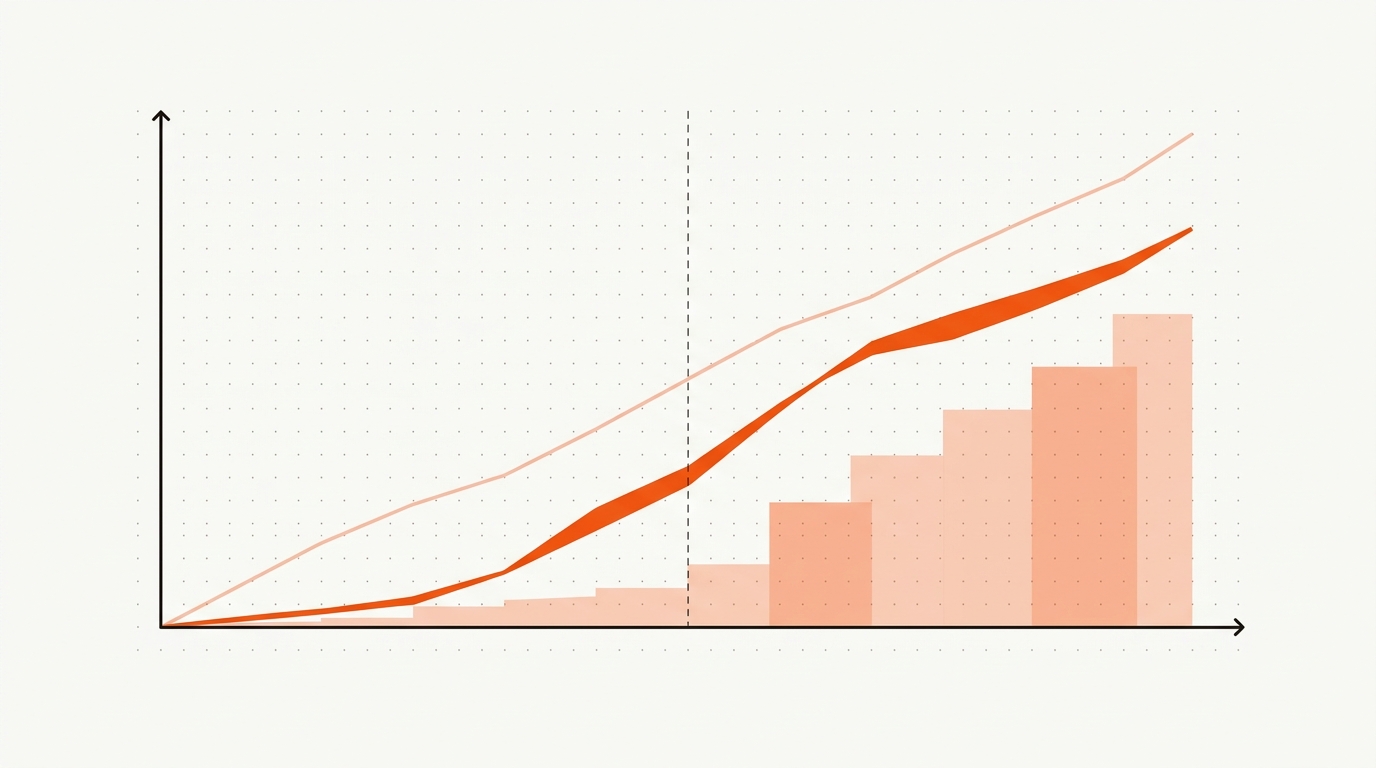
Bake these checks into a weekly pipeline so gains compound.
Run a weekly crawl with Screaming Frog to catch noindex, robots, and canonical errors. Use GSC Coverage and URL Inspection to verify indexing, then map queries to URLs to spot cannibalization. Update titles to include intent modifiers and entities from live SERPs; route new internal links from hubs, nav, and fresh posts. Annotate every change in GSC.
Mergeflo is an autonomous SEO platform for startups: it finds search gaps, drafts articles, and publishes the ones you approve to Webflow. It delivers automated SEO services including keyword research, content generation, and optimization workflows. If you want the operating model behind this article, see our Startup SEO stack that ships weekly and then delegate the repetitive work to an engine.
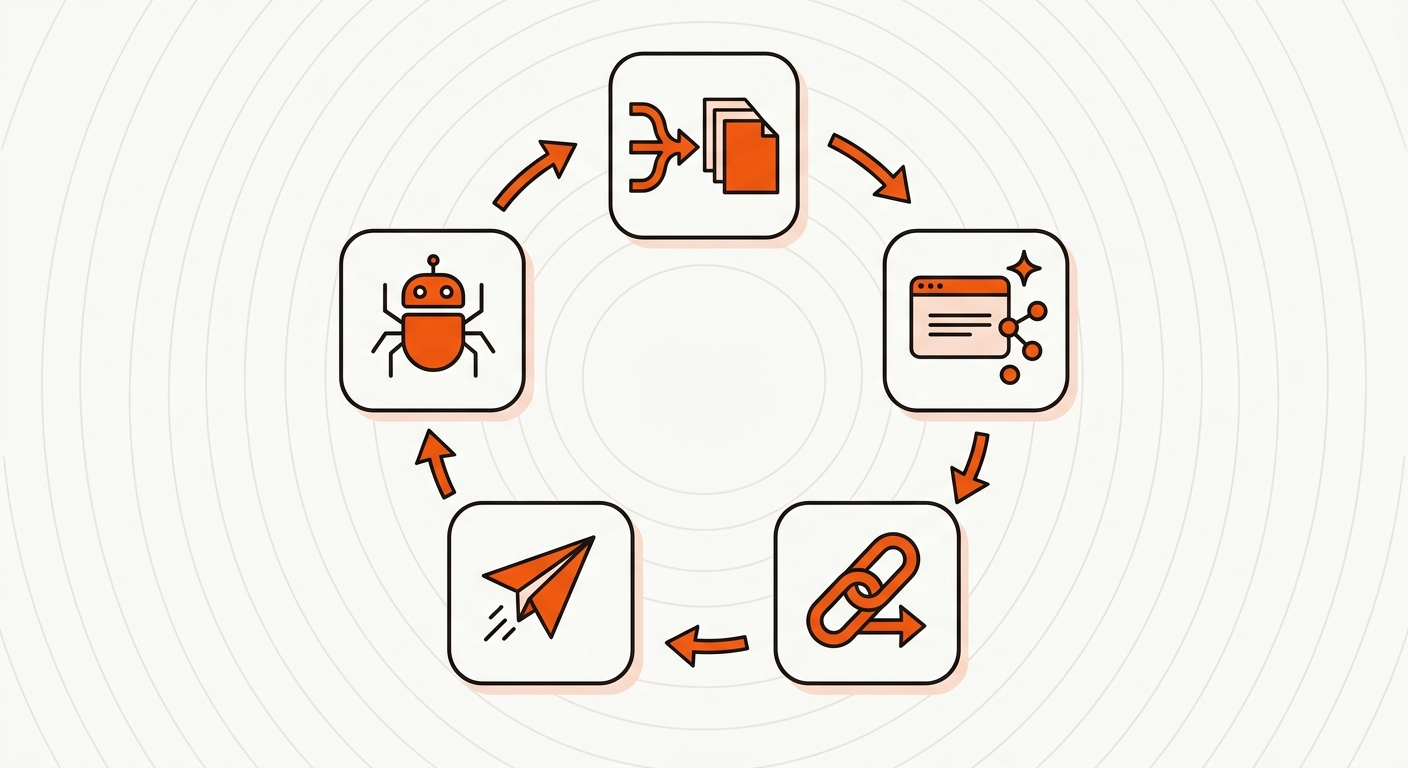
Fix discoverability first, then measure movement with GSC annotations and per-URL inspections.
Indexation and canonical fixes show only after Google recrawls the pages, so request indexing for the most important URLs in URL Inspection. Cannibalization merges and internal link changes show signal once Google recrawls the pages. Entity and E-E-A-T changes usually take longer. Annotate changes in GSC to attribute movement cleanly.
Track both, but prioritize clicks and qualified queries. Impressions can shrink when you tighten intent and win more targeted terms. Evaluate click growth and query quality alongside impression totals to avoid chasing broad, low-value exposure.
In GSC, filter a head term and export pages that rank for it. If multiple URLs share queries with positions 5-25, you likely have duplication. Pick the strongest URL, 301 or canonicalize the rest, and update internal links to point at the winner.
High cadence helps only if pages are discoverable. On new domains with limited crawl budget, 5 weakly linked posts can stall discovery. Publish fewer, route links from hubs and recent posts, ensure clean canonicals, and verify indexing before scaling volume.
