
Short answer: To find high-volume, low-competition keywords, use KD filters to shortlist candidates, then validate directly in the SERP for intent match, weak domains, and format gaps. Mine Google Search Console for high-impression queries at positions 8-20, expand with programmatic modifiers, and prioritize 100-1,000 monthly volume with low allintitle counts. Publish clustered, schema-rich pages fast.
Most teams stop at the tool filter; winners validate competition in the SERP and scale with modifiers.
A 3-person growth team with a 2k/month budget cannot chase head terms. KD 10-20 is a starting filter. You still need to check intent, content format, and the authority of the ranking pages to win high-volume, low-competition keywords.
Ahrefs found that 90.63% of pages get zero Google traffic. The miss is coverage and intent matching, not just KD.
Define high volume relative to your niche. In B2B, 100-500 monthly searches with commercial intent often beats a 2,000-volume head term on pipeline. Validate competition by scanning the top 10: weak DR sites, mismatched formats, or thin pages signal winnable gaps. Add AI Overview presence to your scan; absence means faster wins.
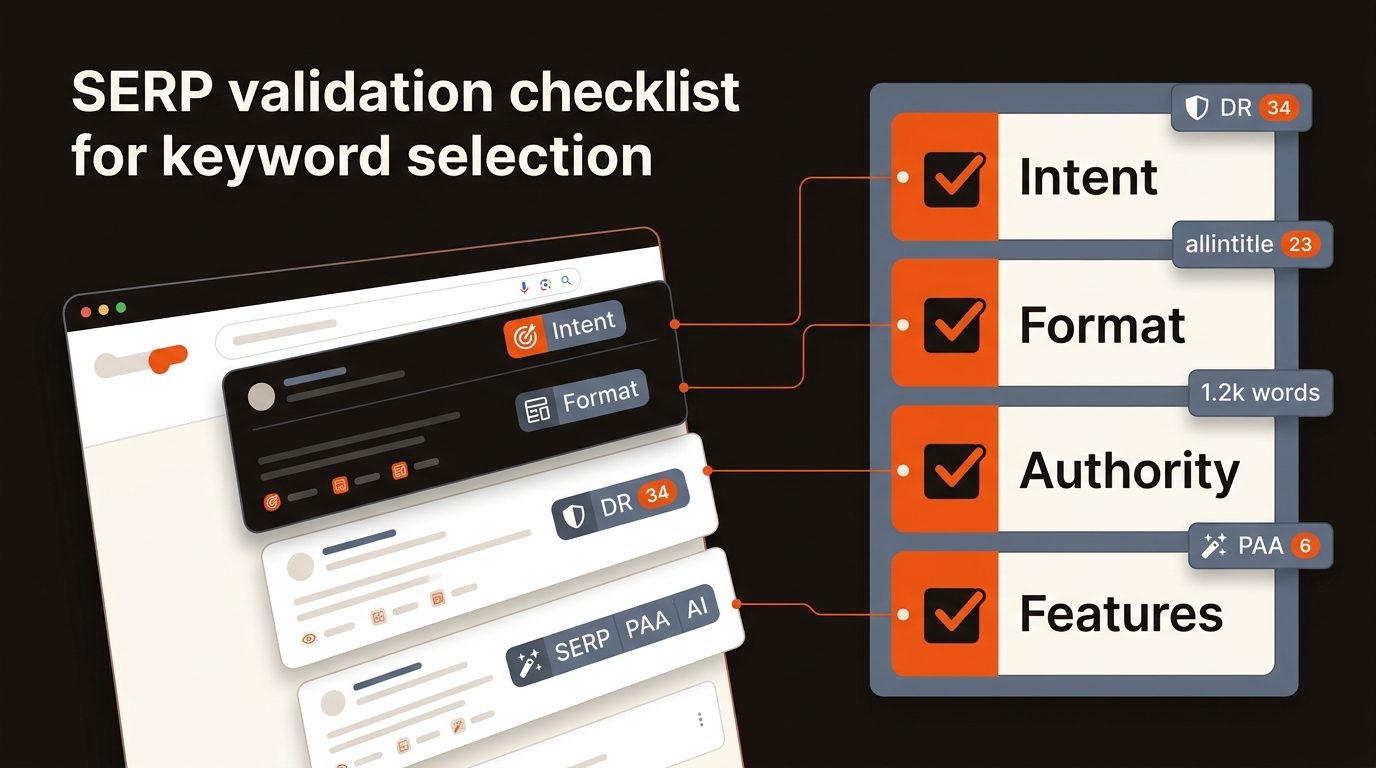
Combine GSC and competitor gaps with SERP validation and programmatic expansion to scale winnable terms.
caption
• Quick validate in 7 minutes: scan top 10 DRs, content type match (guide vs template vs tool), word count, allintitle:"keyword", PAA coverage, and any AI Overview presence.
• Treat 100-1,000 monthly volume as prime B2B territory if intent is tight and SERP is weak. That is where high-volume, low-competition keywords usually live.
• In GSC, open Performance, filter last 28-90 days, sort by impressions, add Avg Position, and bubble up queries at positions 8-20. Ship targeted sections or sibling pages around those terms.
Operational tradeoff: programmatic expansion can create thin pages if unmanaged. Use templates, de-duplication rules, and strict indexation criteria to avoid cannibalization. This breaks when you exceed 200 pages without automation; indexing lag and link drift compound.
External references:
• Google Search Console Performance report basics: Google Search Central
• Long-tail opportunity context and missed traffic dynamics: Ahrefs study

Put two candidates side by side: 'invoice email template' and 'how to write an invoice email'. Both show roughly 1.5k monthly searches in planner tools. Open the SERP. For 'template', the top five are heavyweight libraries and design sites with hundreds to thousands of referring domains, four ads, a featured snippet, and dense PAA. Real clicks likely fall toward 20 to 30 percent of volume. For the 'how to' query, you may see a Reddit thread, a small agency blog, and fewer ads. Fewer strong domains and more intent match signal a lower-link, faster-to-win target with a practical walkthrough and a downloadable sample.
Turn the manual loop into an autonomous pipeline that measures and fixes visibility across Google and AI engines.
Map seed queries to modifiers, generate outlines that match live SERP format, publish with schema and internal links, then refresh using GSC deltas and AI citation checks. Mergeflo is an AI search visibility platform that measures AND fixes visibility, autonomous, startup-priced (149-649/mo). It runs an Autonomous SEO + AEO content engine: research to published, AI-citable pages in the customer's CMS, with schema, internal links, and ongoing refresh. It prioritizes winnable gaps, ships clustered pages, and monitors Google and AI Overviews for coverage and citations. For building authority, see our approach to How To Create Topical Authority.
Systemize this in Mergeflo by turning discovery into a scored queue. Import seeds and autosuggest lists, dedupe, then fetch top 10 SERPs to compute overlap clusters. Flag keywords where at least four results repeat across terms and roll them into a single URL target. Estimate click potential with a simple heuristic: volume multiplied by a SERP factor that penalizes ads count, a featured snippet, and heavy site links. Score opportunity as click potential divided by observed authority of the weakest page in top five. Push the top items into content tickets with outline, internal links, and a draft brief. Review weekly and re-rank.
Clear constraints beat guesswork: define volume, validate competition, and plan for scale.
Treat 100-500 monthly searches as meaningful if the SERP shows buying-adjacent intent and weak competition. For mid-market horizontal topics, 500-1,000 works. The test is pipeline-per-visit. Track conversion benchmarks in GSC and analytics; keep what compounds.
Do a 7-minute SERP pass: check top 10 DRs, content type match (guide vs template vs tool), PAA coverage, allintitle:"keyword", and SERP features. If 3-5 ranking pages are DR < 40, formats are mismatched, and allintitle is low, you likely have a real opening.
Often, yes for KD <= 20 terms with strong on-page signals, internal links, and matching format. E-E-A-T still matters: author pages, references, and clear examples improve trust. Use internal links from a parent hub and related spokes to accelerate indexing and topical strength.
Use programmatic modifiers tied to your ICP and product taxonomy, publish clusters with consistent schema, and automate refresh from GSC deltas. Manual SEO breaks at 200+ pages due to indexing lag and drift. Systems that update links and content based on live data keep clusters healthy.
