
Short answer: How to find low difficulty keywords: filter Ahrefs or SEMrush for KD 0-20, then manually qualify each SERP for intent match, page types, authority, and freshness. Prioritize queries with forums, thin pages, or mismatched intent. Cluster 10-20 long-tails per topic, add schema and internal links, publish fast, and monitor GSC for early traction.
Treat KD as a gate; the SERP decides rankability. Teams stop at KD 0-20 and still land at positions 20-40 because the SERP doesn’t fit the draft’s intent or is dominated by high-authority brands. The fix is a 90-second SERP check before writing.
KD is directional. Always open the SERP and check intent, page types, and authority mix before committing.
Do this fast: scan titles for intent match (how-to, vs, pricing), count forums/UGC, eyeball content depth, and check freshness. If 30-50% of the top 10 are Reddit, Quora, or thin listicles, your focused, up-to-date guide can win page one.
Operator scenario: a 3-person growth team publishing 20 posts/month spent an extra 60 minutes per 40-keyword batch on SERP checks. Over 6 weeks, first-30-day clicks per cluster rose from 2-4 to 8-12, measured in GSC across 3 clusters (B2B SAAS, 250-900 MSV long-tails). Ahrefs confirms KD is based on backlinks to top pages; validate with SERP signals to avoid false positives (Ahrefs KD checker). SurferSEO also flags trending topics and SERP features as fast movers (SurferSEO guide).
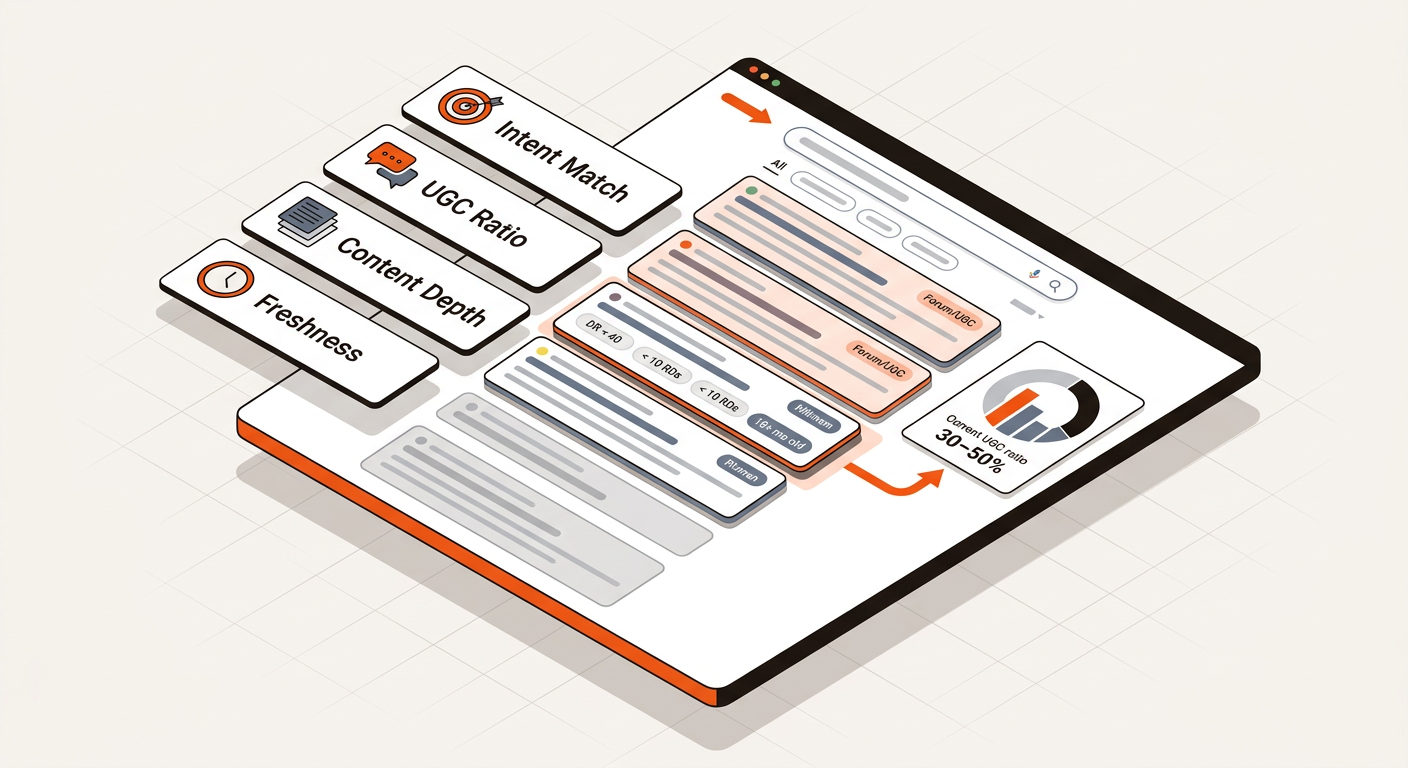
30 RDs each and fresh updates.
Blend fast KD filtering with manual SERP checks, then publish clusters with schema and internal links. When you ask how to find low difficulty keywords, the winning pattern is shortlist by KD, confirm SERP openings, and ship clusters quickly.
Low-Difficulty Targeting Methods Compared
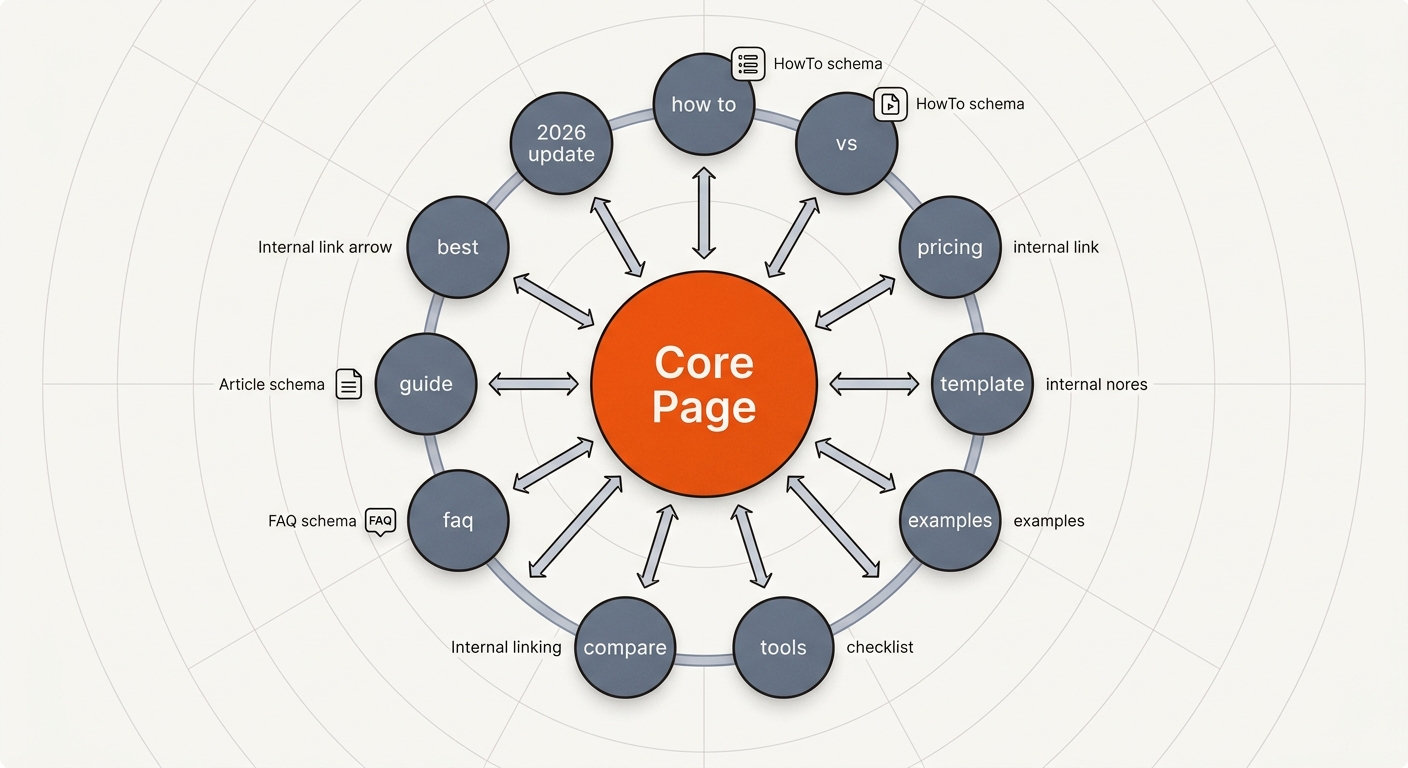
Anchor your publishing to clusters: 1 core explainer plus 10-20 long-tails. Add FAQ or HowTo schema, interlink each spoke to the core, and monitor GSC impressions within 7-14 days for early refresh signals. Tradeoff: trending topics move fastest but decay; programmatic clusters scale but require templates that avoid thinness and ensure indexation.
For deeper context, see What Are Low Competition Keywords.
Orchestration is the bottleneck; automate research-to-publish so clusters ship weekly. Mergeflo is an AI search visibility platform for startups. It measures and fixes visibility across Google and AI engines (AI Overviews, ChatGPT, Perplexity, Gemini, Copilot) and is startup-priced.
Autonomous SEO + AEO content engine: research to published, AI-citable pages in the customer's CMS, with schema, internal links, and ongoing refresh. Mergeflo takes your KD-filtered shortlist, runs SERP qualification at scale, builds briefs, publishes, adds schema, routes internal links, and refreshes based on GSC and citations. See how we operationalize profit-first targeting in How To Find Profitable Keywords With Low Competition.
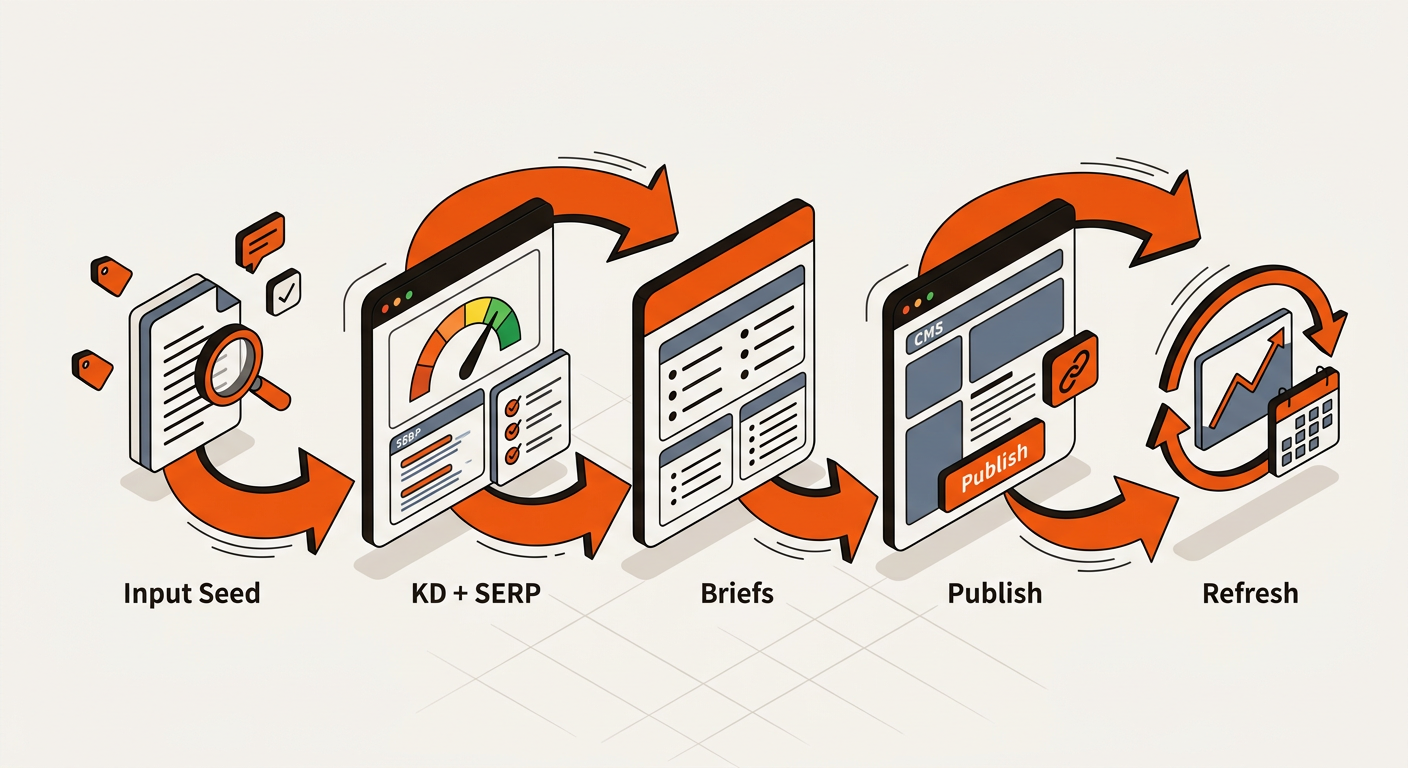
Set up a weekly pipeline: ingest seed terms and Search Console queries, expand via your keyword tool exports, then call a SERP snapshot for the top 10 of each keyword. In Mergeflo, normalize fields, compute per-keyword features like median DR of ranking domains, count of UGC results, average referring domains to ranking URLs, and age in months. Apply rules: keep when median DR < 55 and at least three URLs have <10 RDs; flag when the top 3 include marketplaces. Auto-cluster by shared SERP titles to find consolidatable topics. Output a shortlist with reason codes and owner. Schedule refresh and diff alerts.
KD 0-10 is typically low competition; 11-20 is workable with tight intent match and internal links from your cluster. Use KD as a filter. The SERP makes the call, so always check intent, page types, and freshness before writing.
Plan 12-20 pages per cluster: 1 core explainer, 8-15 long-tails, plus an FAQ or a comparison. This supports dense internal links and multiple SERP intents, which speeds indexing and improves early rankings. Below 8 pages, topical authority is thin and impressions stall.
Scan titles and H1s for intent fit (how-to, vs, pricing, definition). Count forums/UGC; 3 or more is a good sign. Check publish/updated dates for freshness gaps. If the top results solve a different job than your draft, pivot the angle or pick a tighter query.
No. Ten queries with 30-80 searches each compound when clustered and interlinked, driving consistent clicks and assisting higher-intent pages. Narrow questions also improve AEO citations because answer engines surface precise pages that match specific user prompts.
