
Short answer: Salesforce, Datadog, Workday, Zoom, Shopify, ClickUp, Gusto, Brex, and Intuit are successful B2B SAAS startups because they pair a sharp ICP with scalable distribution (ecosystems, content, partners), fast payback, and expansion revenue. If you ask what are some successful B2B SAAS startups, copy their systems: NRR focus, partner surfaces, and operationalized distribution.
Winners are built on three loops: precise ICP, scalable distribution, and expansion revenue. You do not need another logo list; you need motions you can ship this quarter. Use features to close gaps, but use distribution to compound.
Zoom posted the fastest valuation growth in its cohort, while Shopify added 108B in market value (+208 percent) during its breakout window, illustrating how a scalable distribution engine compounds once PMF is locked.
Founder-led sales gets the first 20-50 customers. Scaling to 500 requires content clusters, integrations, and partner routes your ICP already trusts. Use Ahrefs or SEMrush to map 60-120 high-intent queries, then design a cluster-to-partner plan before writing more code.
A real scenario: a 3-person growth team with a 2k/mo content budget ships a 24-page cluster in 45 days, each page mapped to a single job-to-be-done and one integration. They recruit 10 accountants/implementers for co-marketing, and measure NRR monthly. The tradeoff: ship breadth fast, then prune unindexed pages at 60 days to keep crawl budgets focused.
• Define ICP and jobs: 3 personas, 5 core pains, 10 evaluation triggers.
• Build distribution: 1 app listing, 3 partner offers, 1 gated template library.
• Track economics: NRR target 120 percent plus; blended CAC payback under 12 months.

Copy their motions. The names change, but the patterns repeat: ecosystems, integrations, and PLG loops that reduce CAC and raise NRR.
Comparison of Successful B2B SAAS Companies by ICP, Distribution, and Edge
Two takeaways you can ship: integrate where your ICP already lives (CRMs, ERPs, bookkeeping suites) and create a partner surface with co-marketing kits. These reduce cold-start CAC and raise seat expansion because switching costs and workflows accumulate in your favor.
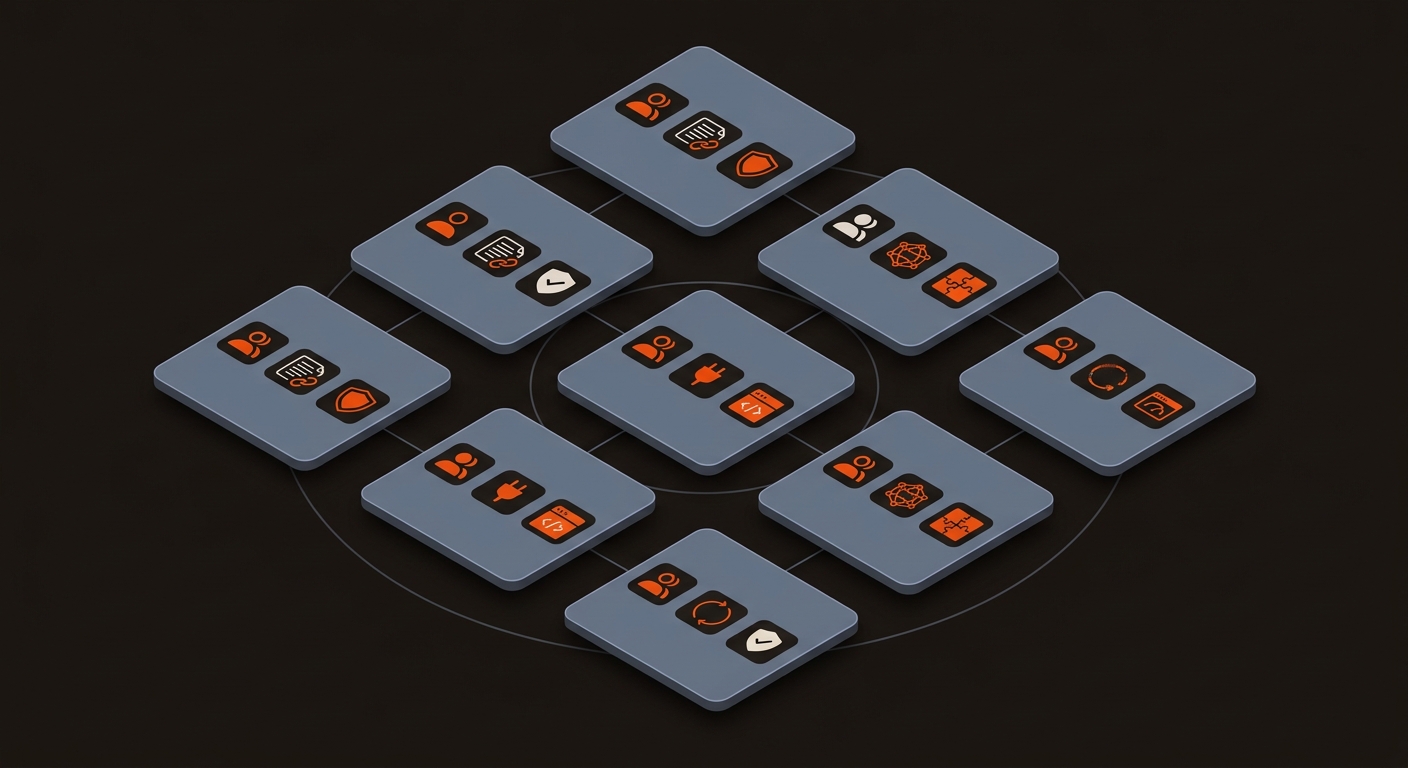
Distribution fails if your content cannot be found or cited by AI. The throughline across these winners is compounding distribution. Today that includes Google and AI engines. Publishing more posts without structure will not move the line; clusters, schema, internal links, entities, and integrations will.
Mergeflo is an AI search visibility platform for startups. It covers Google and AI engines (AI Overviews, ChatGPT, Perplexity, Gemini, Copilot), and ships autonomous SEO + AEO content engine: research to published, AI-citable pages in your CMS, with schema, internal links, and ongoing refresh. Startup-priced (149-649/mo), it measures and fixes visibility, not just audits.
Most teams miss AI Overviews and non-link citations. If you want the Datadog-style integration surface for search, you need programmatic clusters and entities that LLMs can cite. See why this matters in our analysis of SAAS being replaced by AI.
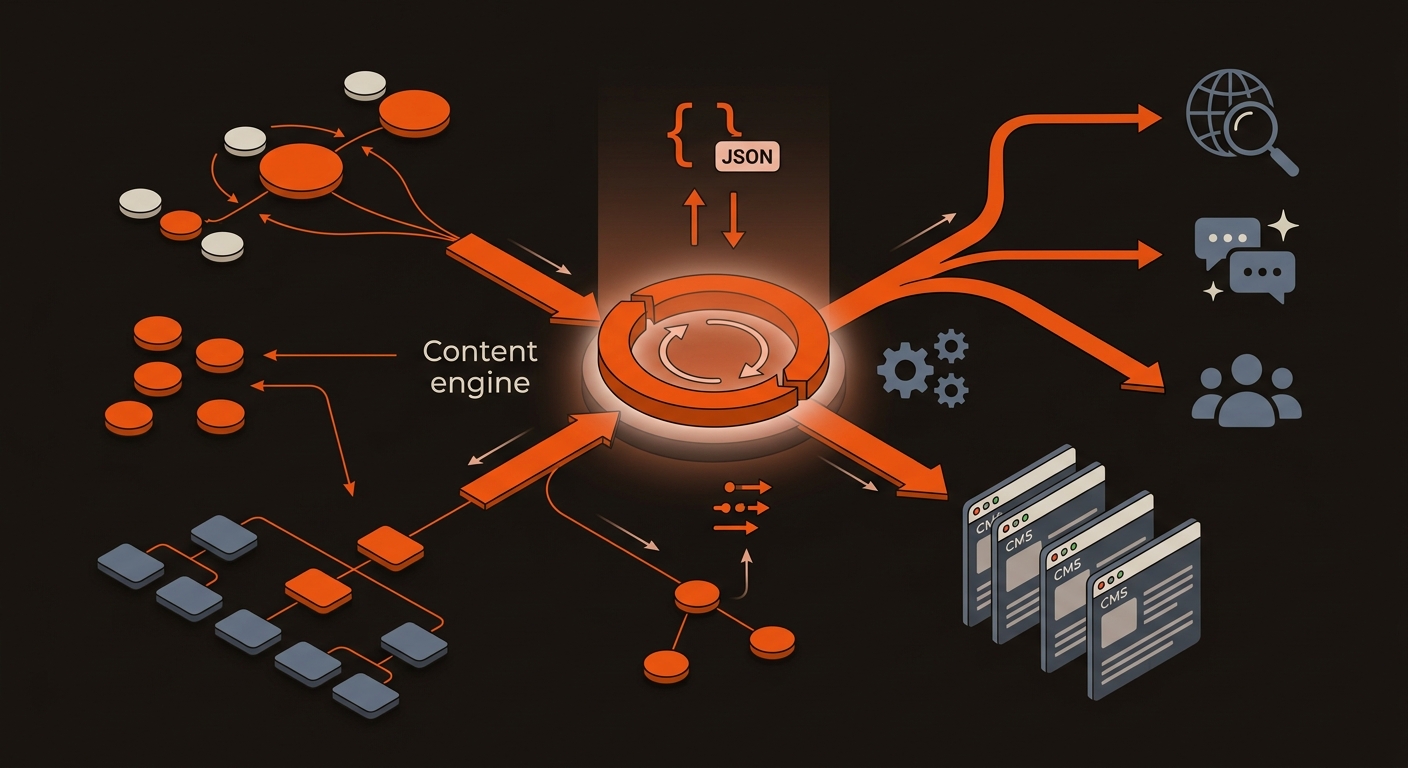
Enterprise workflow platforms, developer tooling, finance ops, and SMB commerce or HR produce durable winners. They pair multi-seat expansion with partner ecosystems you can design for. If your space lacks partners, ship integration depth and content clusters to create an owned distribution surface.
Use founder-led outreach plus partner and community channels your ICP already trusts. Map 50-100 high-intent queries in Ahrefs, ship a tight cluster, and pair it with a partner offer like implementation credit or co-marketing. Track payback and NRR in a simple model; expand the motion that clears a 9-12 month payback.
Watch net revenue retention (target 120 percent plus for multi-seat tools), gross margin (70-80 percent plus for pure SAAS), and blended CAC payback under 12 months. Add activation rate and PQL-to-customer conversion if you run PLG. Tie each KPI to a specific motion so leaders can scale what works.
Google still drives qualified demos, but AI Overviews and chat engines now mediate discovery. Teams that ship entities, schema, and tight internal link graphs get cited and clicked. Treat AI visibility as a system: cluster research, structured briefs, CMS-level publishing, and a refresh loop measured in GSC and log-level signals.
