Short answer: A good marketing strategy for B2B SAAS is a system: define ICP and pains, ship focused messaging, run a dual engine of SEO/AEO for compounding inbound, and a targeted ABM outbound for near-term pipeline. Measure by sourced pipeline, AI citation share, and rankings. Operate in 30-60-90 day loops.
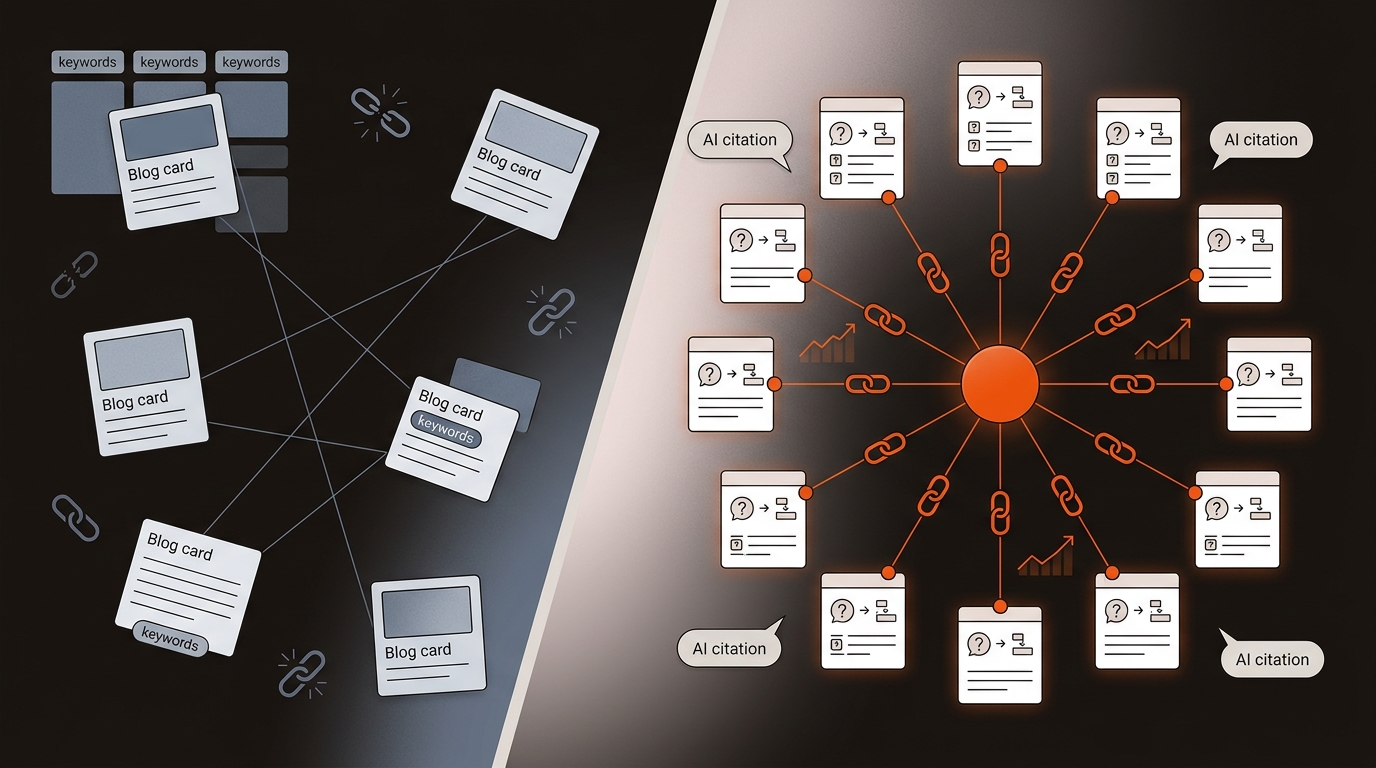
If you ask, "What is a good marketing strategy for B2B SAAS?", the answer is the minimum viable system that produces pipeline fast while compounding organic and AI visibility.
Run a two-engine system: compounding inbound via SEO/AEO and targeted outbound via ABM, both fed by the same ICP-message spine.
Start with ICP proof. Interview 5-10 customers. Extract 3 core pains, decision triggers, and non-negotiable outcomes. Draft a message spine: category, pain, outcome, differentiator, and 2 short proofs. Use the same spine across pages, ads, and outreach.
Ship a cluster. Use Ahrefs to group 30-50 keywords around one pain and one job-to-be-done. Build a pillar, 6-10 spokes, and 1 comparison. Add FAQ schema, HowTo/ItemList where valid, and internal links. Publish on a steady weekly cadence. Clear, structured pages like these are easier for AI Overviews and chat engines to cite.
Targeted outbound fills the near-term pipeline gap. Build a 500-account list in Apollo or Clay enriched with tech stack and hiring signals. Sequence founders plus 1-2 buying roles with 3-message threads tied to your message spine and linked to high-intent pages.
Ship feedback loops. In GA4 and GSC, track assisted conversions from organic pages and monitor surfaces. In Mergeflo (paid plans) or manual audits, track whether ChatGPT, Gemini and Claude cite your brand. Kill what does not move sourced pipeline or citations in 30-45 days.
Tradeoff: outbound buys time but adds CAC; inbound compounds but takes longer to show. Split effort between the two, and shift toward inbound as the organic engine starts sourcing a steady share of pipeline.
For deeper context, see Is SAAS Still Profitable In 2026.
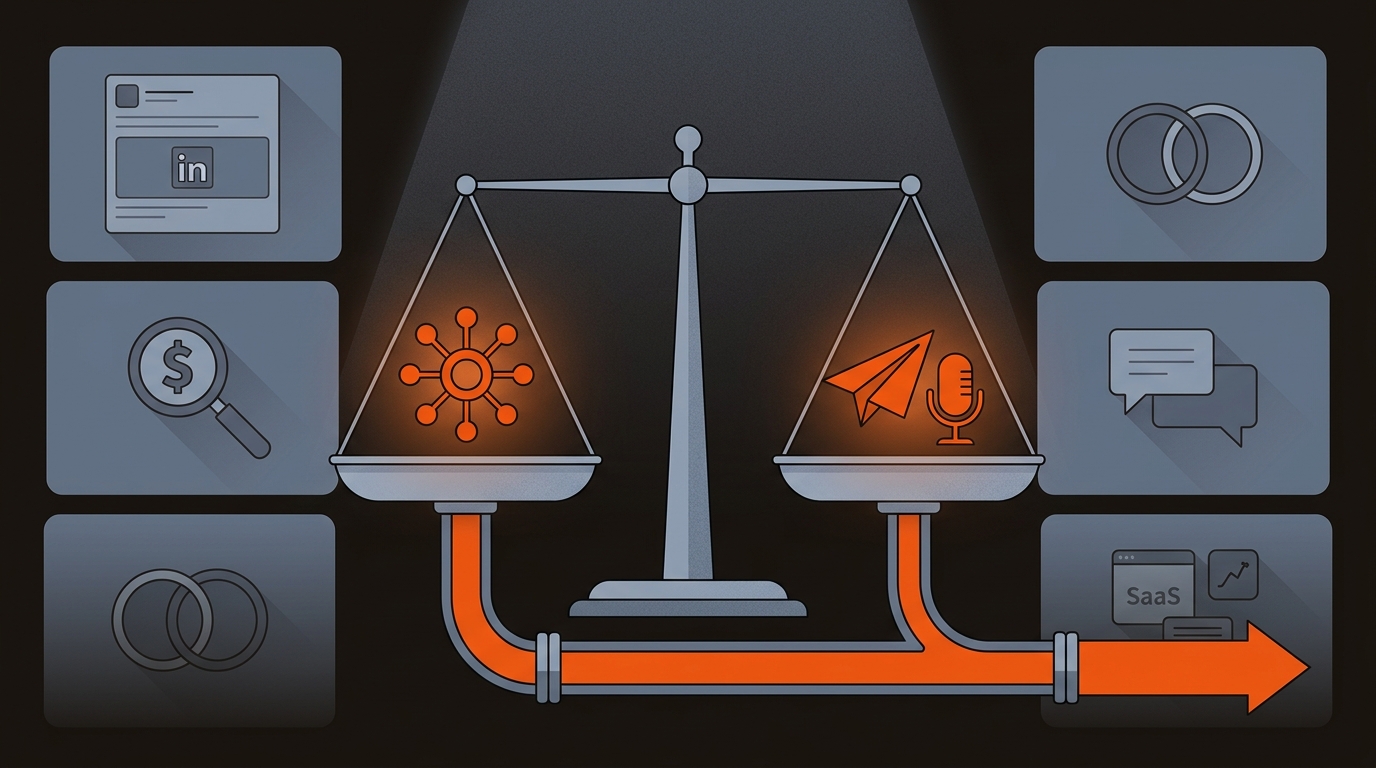
Pick motions by time-to-pipeline, CAC reality, and their impact on Google and AI citation surfaces.
Comparison of B2B SAAS Motions for a Small Team
You can run this on a lean team if you freeze scope and automate distribution.
Weeks 0-2: validate ICP and message with 10 customer calls; ship one optimized demo page and one ROI page; map a 30-keyword cluster in Ahrefs; define 500 target accounts with enrichment. Set baselines in GSC, GA4, and CRM.
Weeks 3-6: publish 6-10 cluster pages with schema and internal links; launch 2 cold email sequences and 2 LinkedIn variants; run a small paid test on branded and two non-brand pain terms in Google Ads; record every booked call source and pageview trail in HubSpot or Salesforce.
Weeks 7-12: prune underperforming content, expand winners with FAQs and examples, add 1 comparison page per week. Shift paid to proven queries. Co-host one webinar with a partner who shares your ICP. Monitor AI citations monthly. The question "What is a good marketing strategy for B2B SAAS?" is answered by this cadence.
Operational tradeoff: programmatic pages speed coverage, but if you publish faster than a fresh domain gets crawled, indexing can lag and quality can dip. Solve with sitemap segmentation, internal links from high-crawl pages, and a 10-20% refresh budget.
Mergeflo is an autonomous SEO + AEO content engine that drafts articles with FAQ schema and suggested internal links, and publishes the ones you approve to Webflow.
If your team needs this system but lacks bandwidth, Mergeflo finds search gaps, drafts content for your review, and tracks your Google positions. You get weekly ChatGPT, Gemini and Claude checks on paid plans, and a topic cluster plan keyed to your ICP and message spine.
Most teams ask about sequencing, speed, and proof; here are the operator answers.
Start with the dual engine: publish your first 4-6 SEO/AEO pages and start one targeted outbound sequence. Use paid search only to capture branded and one pain term for message testing. The goal is early booked calls from outbound while organic momentum builds, measured in GSC and CRM.
Track sourced pipeline and win rate by channel in your CRM, plus non-brand clicks and impressions in GSC. Add AI citation share monthly across ChatGPT, Perplexity, and Gemini.
Ship 2-3 cluster pages per week until you cover 30-40 priority keywords. Each page should include FAQ schema, 1-2 internal links to the pillar, and 1 outlink to a credible source. This velocity balances indexing, quality control, and the need to be cited by AI Overviews.
You likely lack clusters, schema, and internal links, and your topics are too broad. Re-map your top 50 posts into 4-6 tight clusters, consolidate overlaps, add FAQ and HowTo schema where valid, and fix internal links.
Freeze scope to one ICP pain, build a 30-keyword cluster with schema and internal links, and pair it with a 500-account ABM sequence for the next 90 days. If it does not move sourced pipeline and AI citations by week 6, kill it or refine the message spine and redeploy.
