
Short answer: Yes, backlinks are still important in 2026 when editorial, context-rich, and supported by clean internal links, schema, and entity clarity. If you are asking, Are backlinks still important in 2026?, treat them as trust and discovery signals that amplify topical authority, brand mentions, and internal linking. Chasing volume or paid links underperforms.
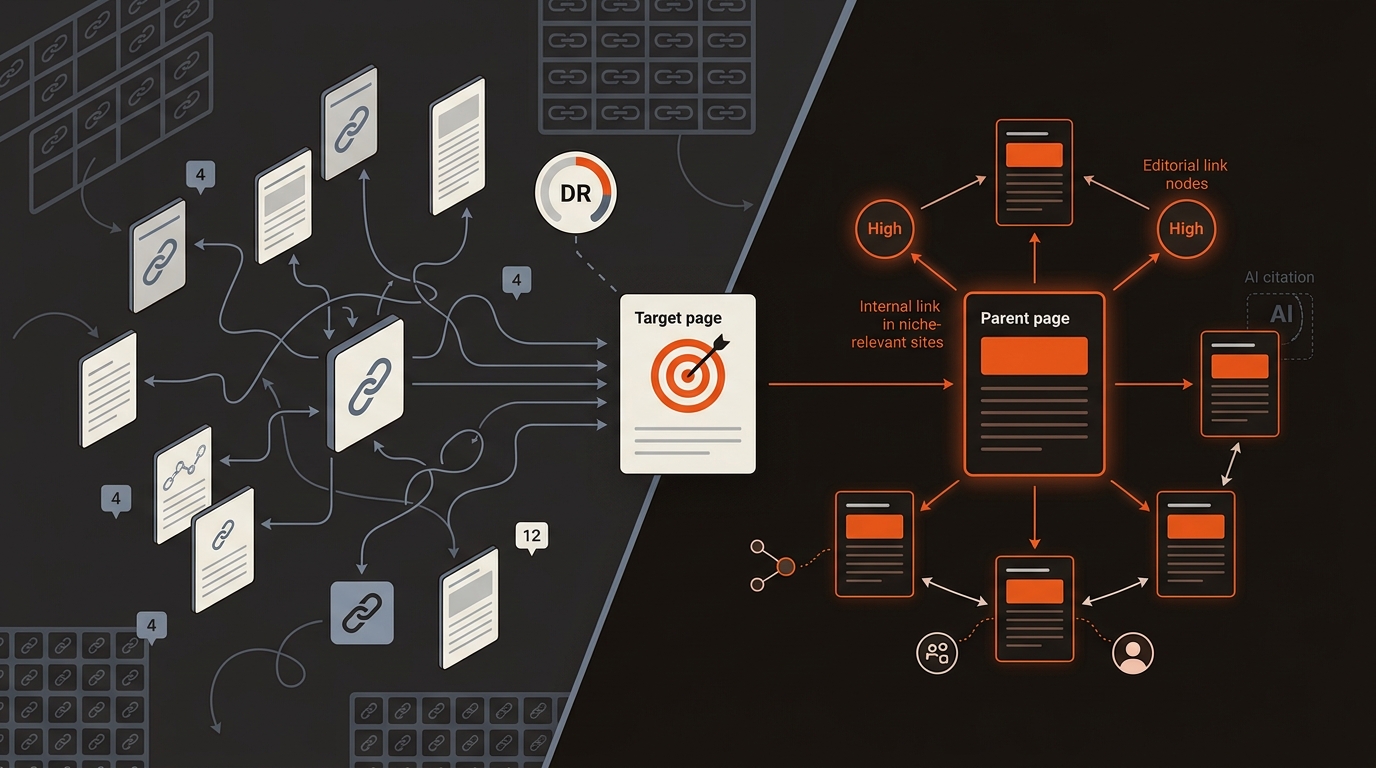
Stronger rankings come from aligning editorial backlinks with topical clusters, internal links, and entity clarity that AI engines can cite.
Prioritize editorial backlinks that reinforce entities and clusters, then convert them with internal links and schema. Google still uses links for authority and discovery, while AI Overviews, ChatGPT, and Perplexity cite sources that match entities, freshness, and clarity.
caption
For deeper context, see How To Rank Without Backlinks.
Backlinks work when they validate a topic hub and flow through internal links to the right pages. Build or tighten the cluster first. Then earn links to hub or research pages that naturally point to commercially relevant pages.
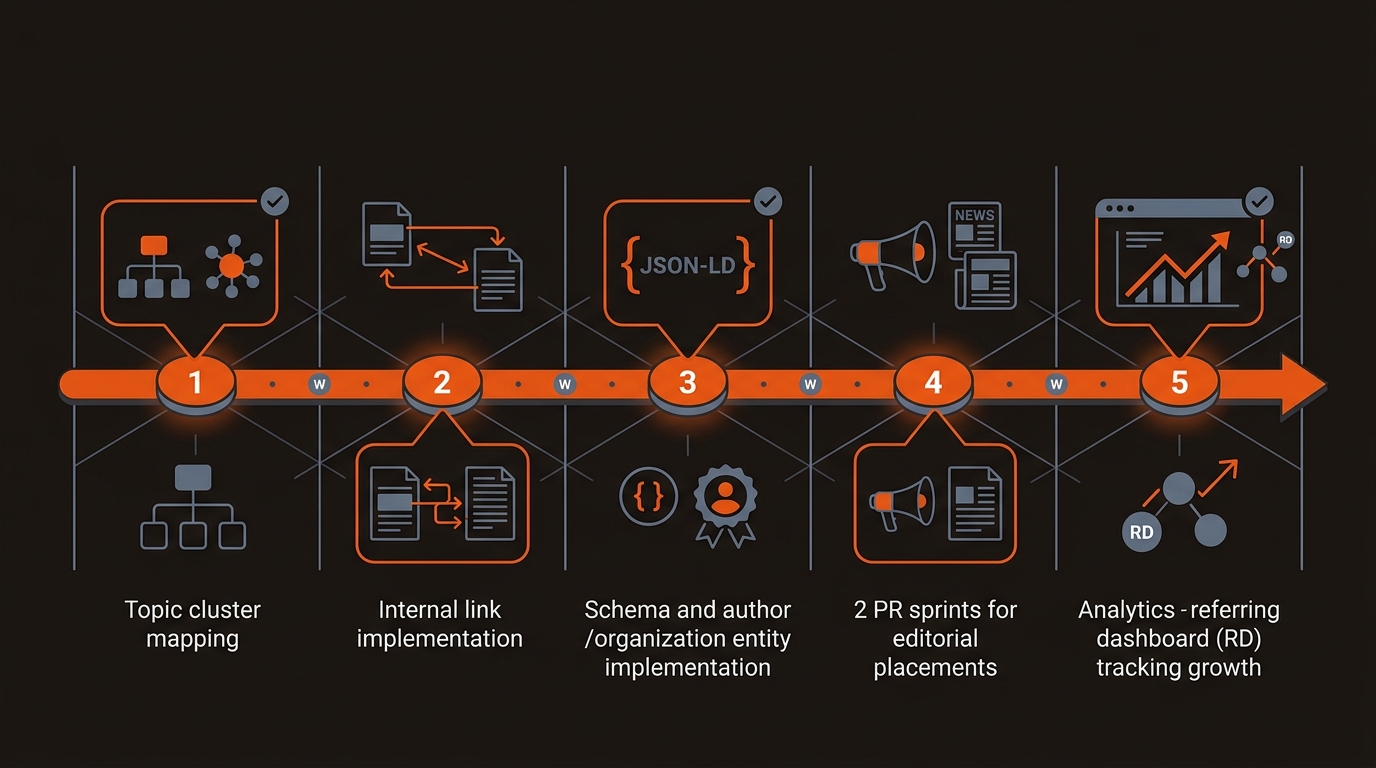
Workflow that holds under startup constraints:
• Publish a focused cluster on a single intent with clear hubs. Link related pages to each other and validate with Screaming Frog.
• Add schema that declares entities (FAQ, HowTo, Product, Organization). Check with Google’s Rich Results Test.
• Pursue a few editorial backlinks to the hub or data asset from semantically close sites. Track in Ahrefs and GSC.
• Update pages when the facts change, and keep the updated date visible.
The tradeoff: manual link outreach is slow. A small team cannot publish steadily and also pitch dozens of outlets every week. Solve with digital PR bursts and assets that earn links passively (original data, calculators), then route equity with internal links.
Mergeflo tracks your referring domains, lets you re-check them, and builds a disavow file when you need one. Our autonomous SEO + AEO content engine finds gaps, drafts articles with FAQ schema and suggested internal links, and publishes the ones you approve to Webflow. We also track real citation share across AI Overviews, ChatGPT, and Perplexity and ship fixes that make your pages the source engines select.
Short, operator-grade answers you can act on Monday.
There is no fixed number; it depends on the query and the pages already ranking. Start with strong internal links from related pages, then add a few editorial links from relevant sites. Check the anchors pointing to the page in Ahrefs or Search Console.
Yes. Entity consolidation from consistent brand and product mentions increases your chance of showing in AI answers. Track mentions and verify Knowledge Panel consistency before chasing more links.
Buying links risks volatility and manual actions, and the ROI decays as filters catch footprints. If speed is the goal, invest in a data asset or mini-report that earns natural links and promote it via targeted PR. Pair it with precise internal links so equity reaches your priority pages within one click.
Expect 2-8 weeks after discovery and indexing, depending on crawl budget and site size. You can shorten the lag by submitting updated sitemaps, tightening internal links to reduce click depth, and keeping hubs fresh. GSC should show query expansion before position jumps; if not, fix on-site signals first.
Editorial links still matter, but they only pay when your site is citation-ready. That means entity clarity, schema, and dense clusters that internal links bind together.
For a lean team, the fastest path is a hub-first build, then targeted links to the hub or a data asset. This combo earns both Google rankings and AI citations you can screenshot and attribute. If a tactic cannot be measured in GSC, Ahrefs, or AI answer crawls within a set test window, cut it.
