
Short answer: An example of organic traffic is a user who searches "customer onboarding software" on Google, clicks your non-paid result, and lands on your /features page. They arrive without UTM tags or ad click IDs, and GA4 classifies the session as Organic Search. If you ask "Can you give me an example of organic traffic?", that scenario qualifies.
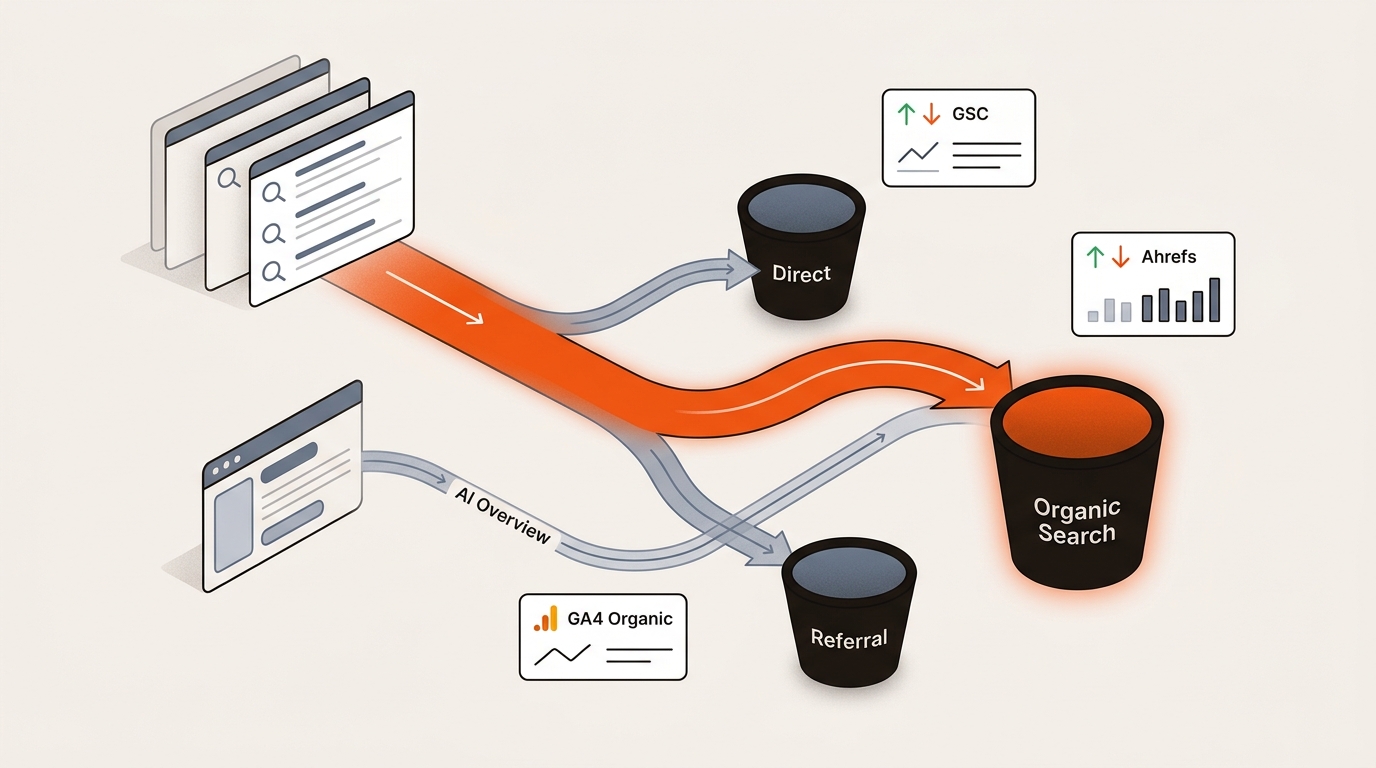
Sessions labeled Direct can include organic landings that lost their referrers or arrived through app deep links.
Small growth teams feel this most. You add a batch of pages, see no Organic Search lift, and pause the cluster. The traffic can be there but show up as Direct when your app domain strips referrers or your CDN caches without referrer headers.
Use search-first click paths you can replay and measure. You do not need theory; you need reproducible journeys that show up in GA4 and GSC.
• A founder searches "SOC 2 audit checklist", clicks your non-paid /templates/soc-2 page, and downloads a PDF. GA4: Organic Search; GSC: Query reports show clicks to that URL.
• A buyer searches your brand + "pricing", clicks your pricing URL from the SERP (not an ad), then starts a trial. GA4: Organic Search; attribution model might give conversion to Direct if session splits.
• A user Googles "Segment CDP alternatives", lands on your comparison page via organic, then returns via a bookmarked direct session and buys. First touch: Organic Search; last touch: Direct.
These examples tie to rankable intents. They also create conversion stories you can defend in leadership reviews.
For deeper context, see How Many Backlinks Do You Actually Need To Rank On Google.
Classify by the actual user path, then confirm it in GA4 and GSC. When asked "Can you give me an example of organic traffic?", anchor it to a replayable path and supporting logs.
Comparison: Real Click Paths And How GA4 Classifies Them
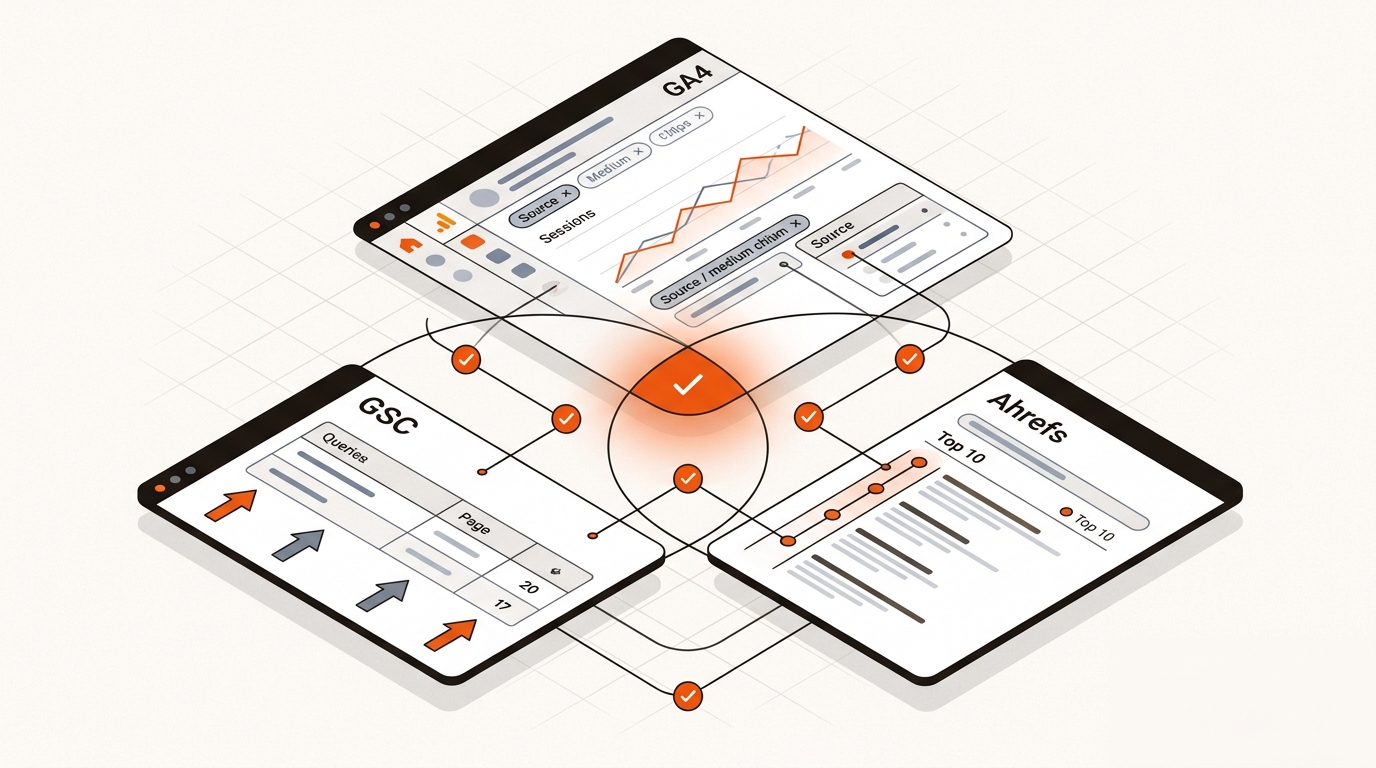
Prove organic with landing page, source/medium, and GSC query ties. You need three artifacts: the landing URL, the source/medium, and the query or page performance in GSC.
• In GA4, build an Exploration: include Session source/medium, Landing page, and Event name for key conversions. Filter source/medium contains google/organic.
• In GSC, open Search Results -> Pages -> pick the landing URL -> Queries. Confirm the query cluster that drove clicks for that period.
• In Ahrefs or SEMrush, verify the URL ranks for that query at positions 1-10 during the timeframe you measured.
For server-side redirects (e.g., blog.example.com -> www.example.com), preserve referrers. If your CDN or app strips referrers, GA4 will mark sessions as Direct. Tradeoff: implementing referrer-policy and consistent domain paths takes an engineer for a day but prevents weeks of bad attribution.
Mergeflo drafts pages for review, publishes what you approve, and tracks Google positions. Our autonomous SEO + AEO content engine finds gaps, drafts articles with FAQ schema and suggested internal links, and publishes the ones you approve to Webflow. We track Google and AI citation share, tie pages to GA4 and GSC, and fix misattribution that hides your organic growth.
Check GA4 for source/medium=google/organic and confirm the landing page is a non-paid SERP entry page. Then match that URL to GSC Queries for the same date range. If the session began on a deep content page and GSC shows query clicks, it is organic even if later sessions show Direct.
Yes. A user who searches your brand name and clicks your non-paid result is organic traffic. Separate brand and non-brand in reporting using GSC query filters. Operators track both because brand organic captures existing demand, while non-brand grows net-new demand.
Referrers get lost with app redirects, cross-domain auth, mobile app browsers, or strict referrer policies. Fix with consistent domains, keep gclid/UTM on redirects, and ensure your CDN preserves referrer headers.
Use a one-slide breakout: top landing pages by Organic Search sessions, paired with their top GSC queries and assisted conversions. Include one replayable user path per page. This ties ranking to revenue and avoids the Direct inflation debate.
Prove one example end-to-end, then scale. Pick one high-intent page, recreate the SERP click, and screenshot GA4 (source/medium + landing) and GSC (queries). Do this weekly for three URLs. You will both educate stakeholders and catch misattribution before it derails resourcing.
Tie this back to ranking now: prioritize pages where GSC shows impressions but low CTR. Improve title tags and meta descriptions, add FAQ schema, and reinforce internal links from relevant cluster pages. The fastest SEO lift comes from turning near-miss impressions into clicks that GA4 can see and classify as Organic Search.
If someone asks, "Can you give me an example of organic traffic?", show the SERP, the landing page session in GA4, and the query in GSC. Keep it concrete.
