
Short answer: The 10 common keywords used in digital marketing are: digital marketing, SEO, content marketing, social media marketing, email marketing, PPC advertising, Google Ads, Facebook Ads, marketing automation, and conversion rate optimization (CRO). Turn each into intent-based long tails with schema and internal links.
To turn these head terms into keywords you can win, follow our main guide on finding profitable keywords with low competition.

Turn each common digital marketing keyword into a focused cluster mapped to intent, SERP features, and schema.
A head term earns its place only when it connects to a measurable action. For each term, tag the dominant intent, map it to a funnel stage, and assign one conversion to track. A high CPC signals commercial research, so marketing automation calls for a comparison guide, a build-versus-buy checklist and an ROI calculator. A cost-focused term such as customer acquisition cost fits a formula page with a downloadable worksheet.
Rank the terms on more than raw volume. Score each on ICP fit, commercial intent, competitive gap, internal authority, SERP favorability and content effort, then start with the highest composite.
The playbook is cluster-first with strict intent boundaries; the constraint is your team’s throughput and indexing capacity.
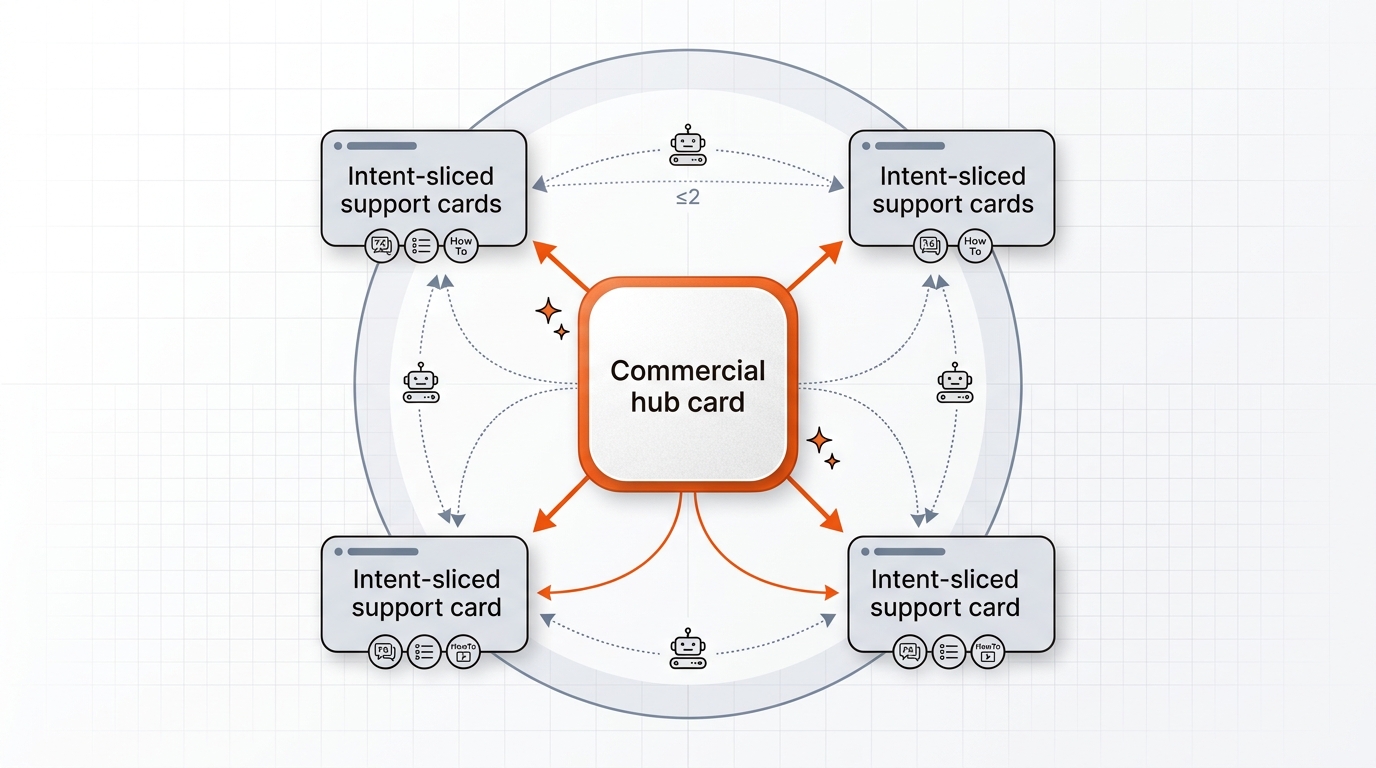
When someone asks "what are 10 common keywords used in digital marketing," they often cram all ten into one page. You need 10 small clusters instead. Ship one hub (head term definition + internal links) and 3-5 spokes per term, each answering a narrow question with matching schema.
Give each hub a short summary of its key claims, a plain-language glossary, and a sources section that cites your own data and primary standards, so answer engines can attribute your claims. Other head terms often sit beside these ten, such as affiliate marketing, marketing strategy, online advertising, digital advertising and digital marketing strategy. Each can seed a cluster, but each also adds a cluster to maintain, so run the same hub-and-spoke test before adding one.
Tradeoffs: breadth vs depth. If you spin up all ten clusters at once, you risk thin coverage and cannibalization. Sequence by ease and revenue proximity: start with SEO, email marketing, and CRO; hold Google Ads and Facebook Ads until you have conversion proof on easier wins. Use concise, scannable structures that AI Overviews can lift: Short Answer, clear H2s, and structured FAQs.
Mergeflo helps you plan and draft clusters for these 10 head terms.
Mergeflo finds search gaps and buyer questions, drafts briefs and articles in your brand voice for review, and publishes approved articles to Webflow. It also tracks Google positions, checks on paid plans whether ChatGPT, Gemini and Claude mention you, and flags pages losing impressions, then writes a refresh brief when you press Refresh. If you need to move fast and still learn the craft, here’s where to learn SEO as a beginner.
Focus your next 30 days on intent clarity, schema, and internal links to turn head terms into pages that can earn traffic.
Pick the 2-3 with lowest KD and clear business fit based on Ahrefs/SEMrush and your ICP. For most B2B SAAS, SEO, email marketing, and CRO show traction fastest because they map to product-led growth motions. Aim for 5-7 URLs total in month one: one hub and 4-6 spokes.
Assign one primary intent per page and enforce unique titles/H1s and distinct FAQ blocks. Use hub-to-spoke internal links and cross-link only when intents differ. In Screaming Frog, flag titles/descriptions with duplicate similarity >90% and resolve before publishing. Maintain a canonical per cluster hub.
Answer the query in the first 60 words with a clean Short Answer block and consistent terminology. Add FAQPage/HowTo schema, tight H2s, and concrete steps or lists that LLMs can quote. Include source-like elements (definitions, benchmarks, checklists) and ensure your brand/entity is consistent in Organization and WebSite schema.
There is no fixed timeline. On a young site, low-difficulty informational posts with tight on-page work are usually the first to move, so watch Search Console impressions for each cluster. Commercial spokes tend to take longer and need stronger internal links and supporting FAQs. Nobody can promise a date.
In Search Console, group pages by cluster, then track impressions, CTR and average position for each group every week. Add a rank tracker by folder. Impressions tend to rise before clicks, so treat them as the early signal, and merge or prune pages that compete for the same query.
Indexing lag and cannibalization creep in as the page count grows. Keep a tight URL taxonomy with one head term per folder, use descriptive internal anchors, and budget time for maintenance. Refresh decaying pages with new facts, FAQs and links to newly published support pages.
