
Short answer: There isn’t a single best answer engine optimization tool. Winning requires three capabilities: measure answer presence across Google and AI engines, optimize pages for answer surfaces, and ship/refresh improvements weekly. Choose a workflow engine that integrates these. For lean teams, prioritize coverage, automation, and startup pricing.
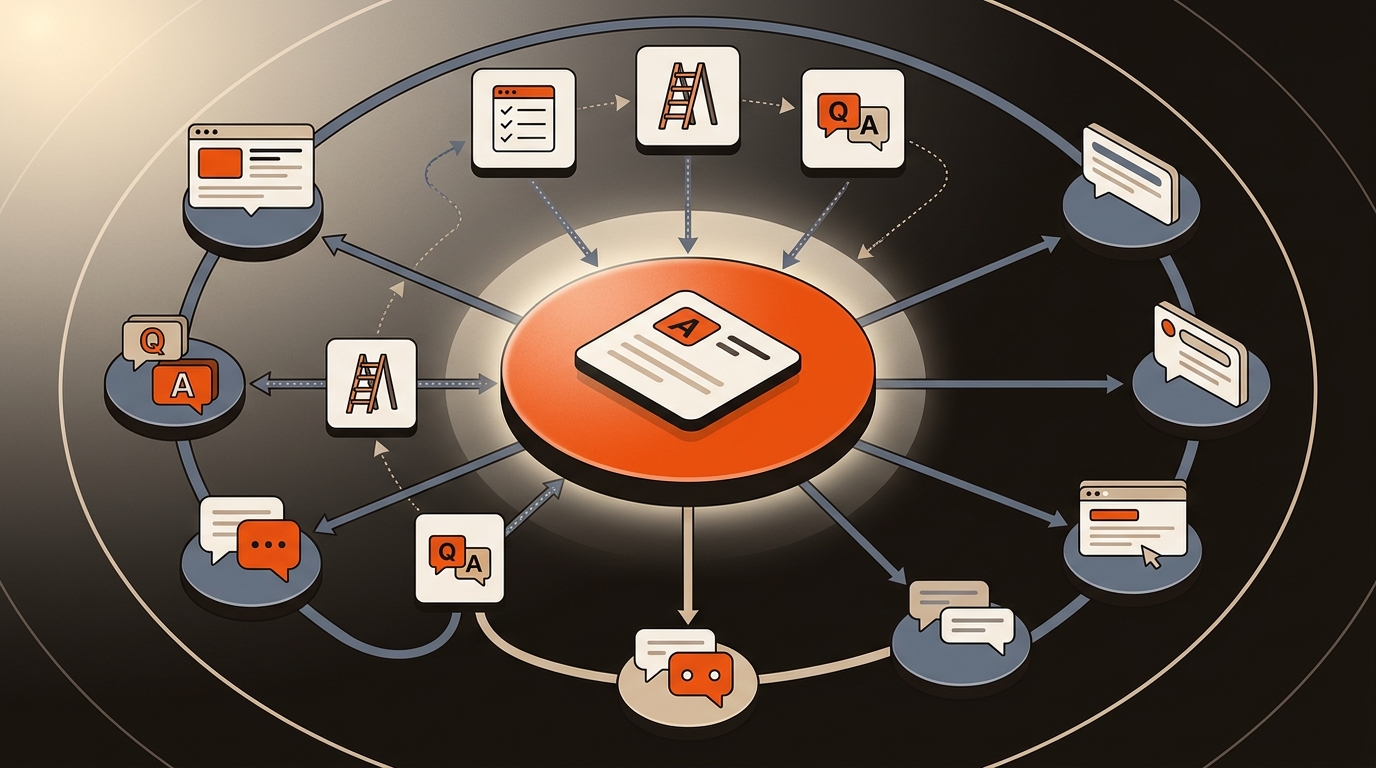
A typical scenario: a small growth team publishes steadily. They track positions in Ahrefs and GSC but lack CMS automation. Edits sit in tickets. Result: AI Overviews and Perplexity cite competitors with cleaner Q/A blocks, FAQ schema, and tighter definitions.
If you keep asking “what’s the best answer engine optimization tool?” while shipping weekly changes is the blocker, the tool isn’t the problem. Cadence wins. Tie edits to measurement and push to production within 48 hours.
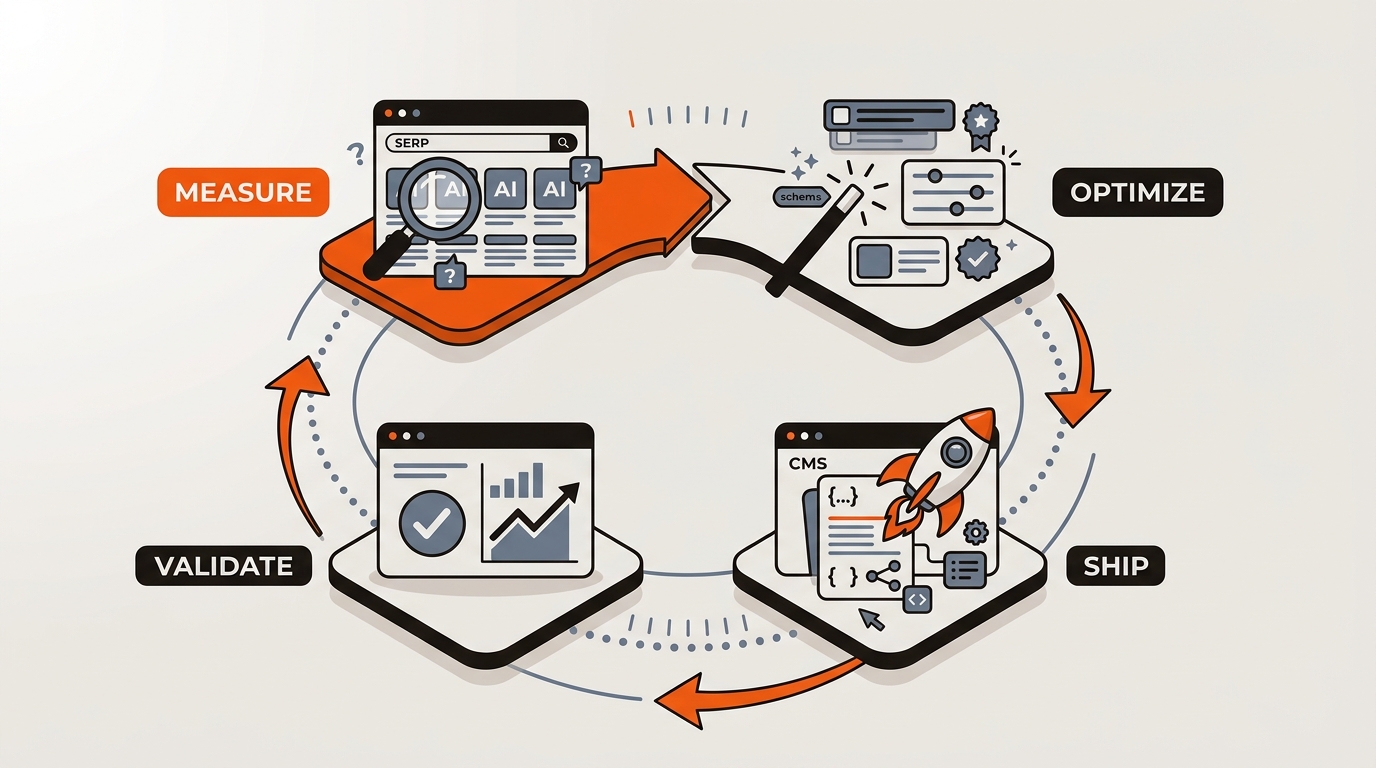
Evaluate capabilities that increase AI citations and SERP feature ownership, and verify they publish fixes into your CMS.
Operator Rubric: Compare Capabilities That Move AI Citations
Reference implementations: see Google’s structured data docs for FAQ/HowTo/QA markup and an actionable primer on featured snippets from Ahrefs.
• Google Structured Data
• Ahrefs Featured Snippets Guide
An operational tradeoff: modular stacks give flexibility (separate rank tracker, generator, CMS scripts) but break when manual ops take more time than the team has. Integrated engines compress the loop but require adopting their templates. Choose the path that sustains weekly throughput.
For deeper context, see What Are The Best Tools For Answer Engine Optimization.
Benchmark on three axes: intent coverage, evidence fidelity, and publishable outputs. For coverage, check if the tool clusters 2,000 queries into task, evaluate, troubleshoot, and compare intents with confidence scores, and lets you slice by product or region. For evidence, require line-level provenance. The system should return source URLs, paragraph IDs, and quoted spans, and flag freshness gaps when last modified is older than 14 days. For outputs, test if it composes 60 to 120 word answer blocks with two to four citations, generates schema fragments, and provides a test harness that prompts Gemini, Perplexity, and Copilot for offline checks.
Pick a workflow engine that measures gaps, generates AEO-structured drafts, publishes to your CMS, and re-measures automatically.
Mergeflo is an AI search visibility platform for startups. It helps you plan content for Google search and AI answers. It has a free plan, and paid plans are listed on the pricing page. It is an autonomous SEO + AEO content engine that finds gaps, drafts articles with FAQ schema and suggested internal links, and publishes the ones you approve to Webflow.
Benchmarks and vendor coverage vary widely. If you want a numbers-first scan of tool throughput and coverage tradeoffs, read our sibling analysis on AEO tool coverage and wins: Top Aeo Tools 2026 Coverage Throughput And Wins.

Before you jump tools, fix your pipeline.
Translate capabilities into a weekly drumbeat. Monday, pull intents with declining slot share and prioritize by potential impact, for example 20 intents that touch revenue pages. Tuesday, auto-generate answer drafts and evidence packets, then route to an editor who verifies quotations and resolves conflicts. Wednesday, run SME review, enforce a checklist, minimum two citations, freshness less than 30 days, unique angle compared to current holders. Thursday, ship changes in small batches, 5 to 10 pages, and log structured diff notes. Friday, replay prompts across engines, capture whether your page is cited, and open follow up issues for misses.
Prioritize AEO when you rank on page one but lose snippets, PAA, or AI citations to thinner competitor pages.
Check GSC for queries where you sit 3-10 yet see low CTR. Then sample those queries in AI Overviews and Perplexity to see who gets cited. If competitors own the answer surfaces, AEO is an immediate lever. Prioritize pages with informational intent and clear definitional answers.
Start with 20 queries tied to revenue. Add concise answer blocks under H2s, implement FAQ schema, and prune intros. Measure snippet/PAA capture and AI citations weekly. If shipping is slow, move to an engine that publishes directly into your CMS with internal links and schema applied.
Track three: snippet/PAA features owned, AI citation rate across engines, and conversions from pages that gained those surfaces. Tie gains to specific updates shipped that week. If movement stalls, rotate tests: heading rewrites, tighter definitions, or FAQ expansion.
Yes, if you can automate publishing and schema. Pair your existing rank/coverage trackers with a generator that outputs AEO-structured drafts and pushes to CMS. If manual ops take more time than you have each week, the process will stall; consider an integrated engine to keep weekly cadence.
